Swollen Veins in the Hands — What This Condition Really Means and When You Need to Pay Attention
Noticing swollen, raised, or enlarged veins on your hands can feel alarming, especially when they appear suddenly or seem more visible than usual.
In most cases, prominent veins are harmless and simply reflect normal changes in circulation, temperature, or aging.
However, there are situations where swollen blood vessels may signal an underlying issue that requires medical attention.
Understanding the difference between normal vein changes and concerning symptoms is essential. Here’s what swollen veins in the hands may indicate and when you should take them seriously.
1. The Most Common and Harmless Causes
a. Aging and natural skin thinning
As we age, two things happen:
• the skin loses elasticity
• the fat layer under the skin becomes thinner
This makes the veins less supported and more visible.
This is not a disease — just a natural part of aging.
b. Heat exposure
Warm temperatures cause blood vessels to expand, making veins more noticeable.
They typically return to normal once the body cools down.
c. Exercise or heavy lifting
Physical activity increases blood flow and pressure inside the veins, causing temporary enlargement.
This is especially common in weightlifting or sports requiring strong grip strength.
d. Low body fat
People who are very lean or athletic naturally have more visible veins, which is normal and not dangerous.
e. Genetics
Some individuals inherit naturally prominent veins — this has no negative health implications.
2. When Swollen Veins May Indicate a Health Problem
While many causes are harmless, swollen veins can sometimes point to a medical issue.
Here are the possibilities that require closer attention:
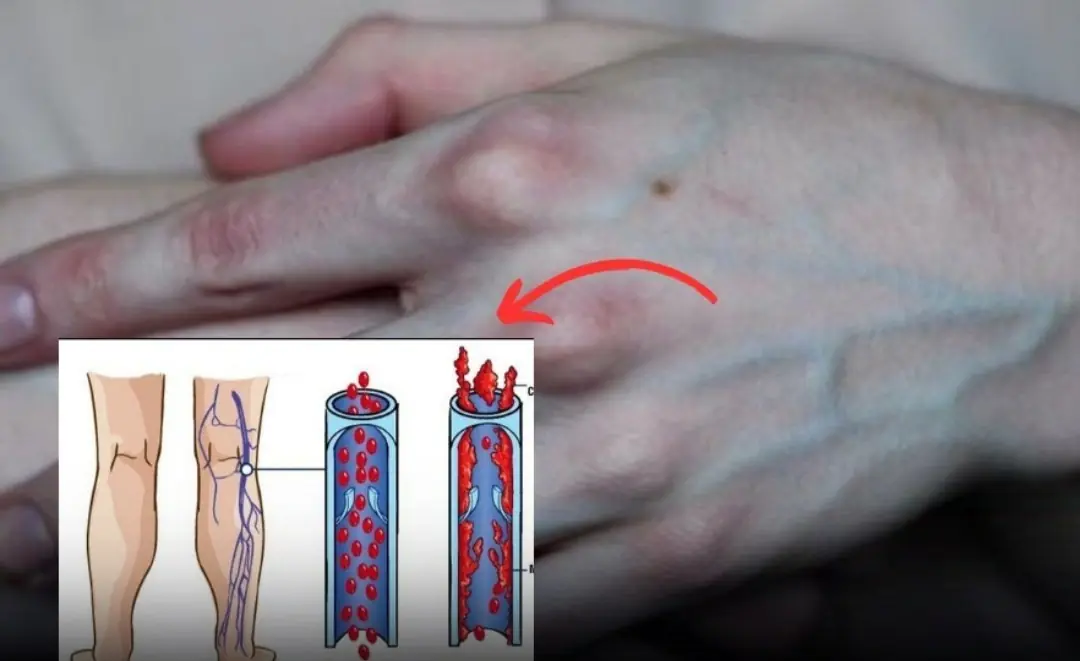
a. Varicose veins in the hands
Although varicose veins are most common in the legs, they can also appear in the hands or arms.
They develop when vein valves weaken, allowing blood to pool.
Signs include:
• twisted, rope-like veins
• aching or heaviness in the hands
• visible bulging that worsens with activity
While not dangerous, varicose veins can cause discomfort and may worsen over time.
b. Thrombophlebitis (vein inflammation or clot)
This condition occurs when a blood clot forms in a surface vein.
It may cause:
• swelling
• redness
• warmth over the vein
• tenderness when touched
Superficial clots are typically not life-threatening, but they require medical evaluation to prevent complications.
c. Vascular disease
Circulatory problems, including chronic venous insufficiency or arterial issues, can cause swelling and discomfort.
Warning signs:
• persistent hand swelling
• skin discoloration
• numbness or cold fingers
• visible vascular changes that don’t improve
These conditions need professional assessment.
d. Autoimmune or inflammatory disorders
Certain diseases — such as vasculitis, rheumatoid arthritis, or lupus — can inflame blood vessels and surrounding tissues.
Other symptoms to watch for:
• joint pain
• fatigue
• unexplained fever
• skin rashes
If swollen veins appear alongside these symptoms, a medical checkup is necessary.
e. Hormonal changes
Hormonal fluctuations (such as during pregnancy or menopause) can increase blood volume and weaken vein walls, making veins more pronounced.
3. Signs That You Should Seek Medical Attention
You should consult a doctor if swollen veins come with:
• sudden or severe swelling
• pain or throbbing
• redness, heat, or skin discoloration
• numbness or tingling in the fingers
• difficulty moving the hand
• swelling that persists for weeks
• fever or fatigue
These symptoms may indicate vascular inflammation, a clot, or an underlying systemic condition.
4. How Swollen Veins Are Diagnosed
Doctors may use:
• physical examination
• ultrasound (to check blood flow and clot risk)
• blood tests (to detect inflammation or autoimmune activity)
• evaluation for varicose veins or venous insufficiency
Most conditions can be managed effectively when diagnosed early.
5. Treatment Options
Treatment depends on the cause:
For harmless causes:
No treatment is needed. Lifestyle adjustments—hydration, cooling the hands, elevating the arm—may help.
For varicose veins:
• compression sleeves
• minimally invasive procedures
• laser or sclerotherapy options
For inflammation or clot:
• anti-inflammatory medication
• warm compresses
• anticoagulants (in clot-related cases)
For autoimmune diseases:
• targeted medications
• long-term monitoring
Bottom Line
Swollen veins in the hands are usually harmless and often related to temperature, physical activity, aging, or genetics.
But when swelling appears suddenly, is painful, or occurs with other symptoms, it may be a sign of an underlying vascular or inflammatory condition.
Listening to your body and seeking timely medical evaluation ensures early detection and better outcomes.