Everybody loves pine trees, but most people underestimate the value of their resin… 💬👀👇
When you think of a Pinheiro, chances are you imagine fresh forest air, tall green canopies, and that unmistakable woody scent. But hidden beneath the bark lies something far more fascinating — a golden, sticky substance known as resin.
For centuries, this natural secretion has been quietly used across cultures for healing, preservation, and even craftsmanship. Yet today, most people walk past it without realizing its true potential.
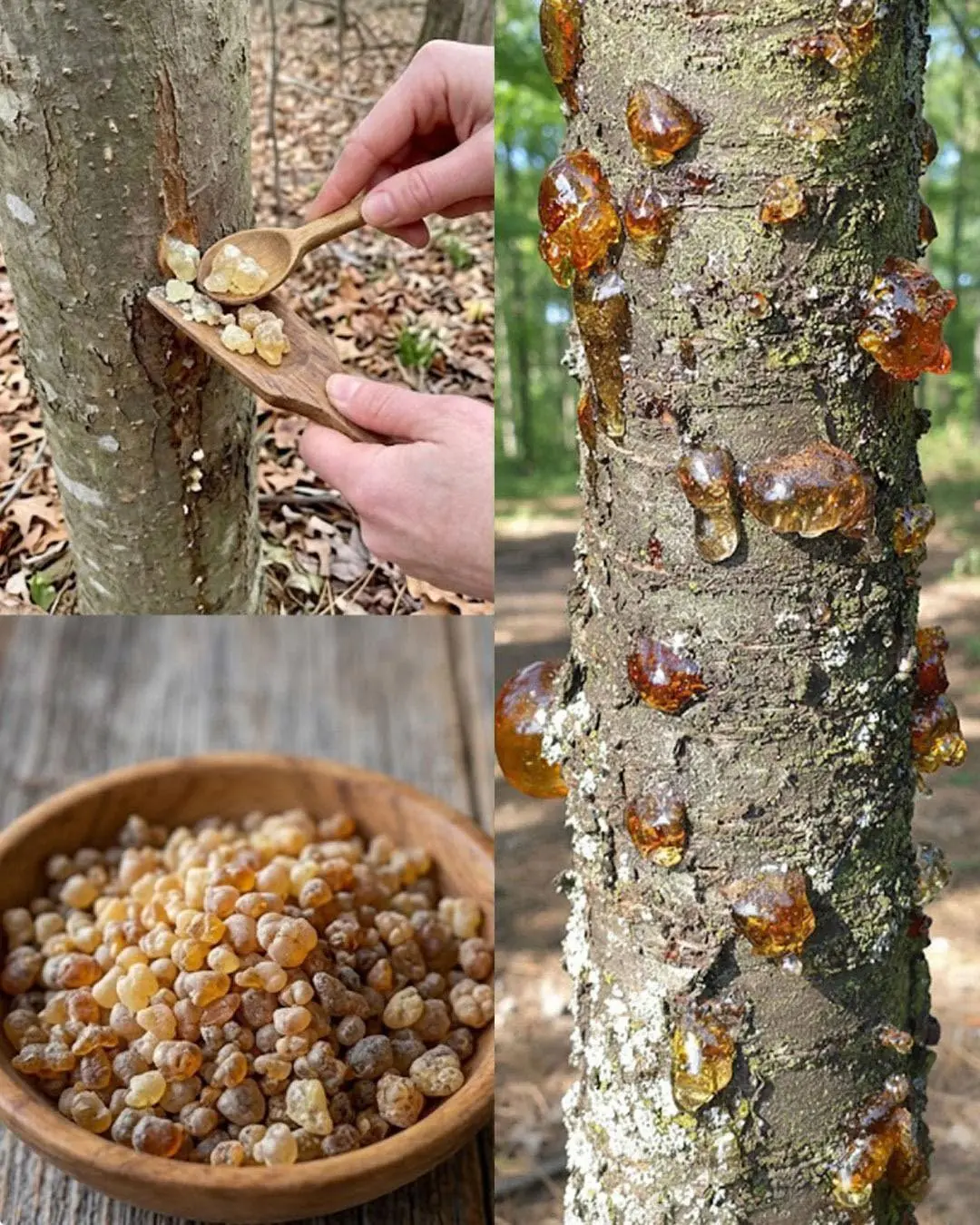
🌳 What exactly is pine resin?
Pine resin is a viscous substance produced by trees as a defense mechanism. When the bark is damaged, the tree releases resin to seal wounds and protect itself from insects, fungi, and infections.
Think of it as the tree’s natural “immune system” — thick, aromatic, and packed with bioactive compounds.
🌿 A natural powerhouse
What makes resin so special isn’t just its texture or smell — it’s its composition. Pine resin contains:
- Terpenes (known for anti-inflammatory effects)
- Natural antiseptic compounds
- Antioxidants
Because of this, it has traditionally been used in natural remedies, especially for skin and respiratory support.
🧴 Ancient uses that still make sense today
Long before modern medicine, people relied on nature — and pine resin played a key role.
1. Wound care
Resin was applied to cuts and scrapes as a protective barrier, helping prevent infection.
2. Respiratory relief
Its strong aroma made it useful in steam inhalations to clear airways.
3. Natural adhesives
Sticky and durable, it was even used as glue or sealant.
🔥 But what about modern benefits?
Today, pine resin is making a quiet comeback — especially among those interested in natural living.
Some people use it in:
- Homemade balms and salves
- Aromatherapy blends
- Traditional wellness practices
However, it’s important to stay realistic. While resin has interesting properties, it’s not a miracle cure — and scientific evidence is still limited in many areas.
⚠️ A note of caution
Before you go collecting resin from the nearest tree, keep a few things in mind:
- Not all species are safe for direct use
- Raw resin can cause skin irritation
- Proper preparation is essential
Respecting both nature and your own health is key.
🌍 A forgotten natural treasure
In a world full of synthetic products, it’s easy to overlook simple, natural substances like pine resin. Yet it represents something powerful — the ability of nature to protect, heal, and adapt.
Sometimes, the most valuable things aren’t the ones we buy… but the ones we’ve been