Most Stomach Cancers Are Detected Late — Doctors Warn About 5 Post-Meal Symptoms That Should Prompt Early Endoscopy
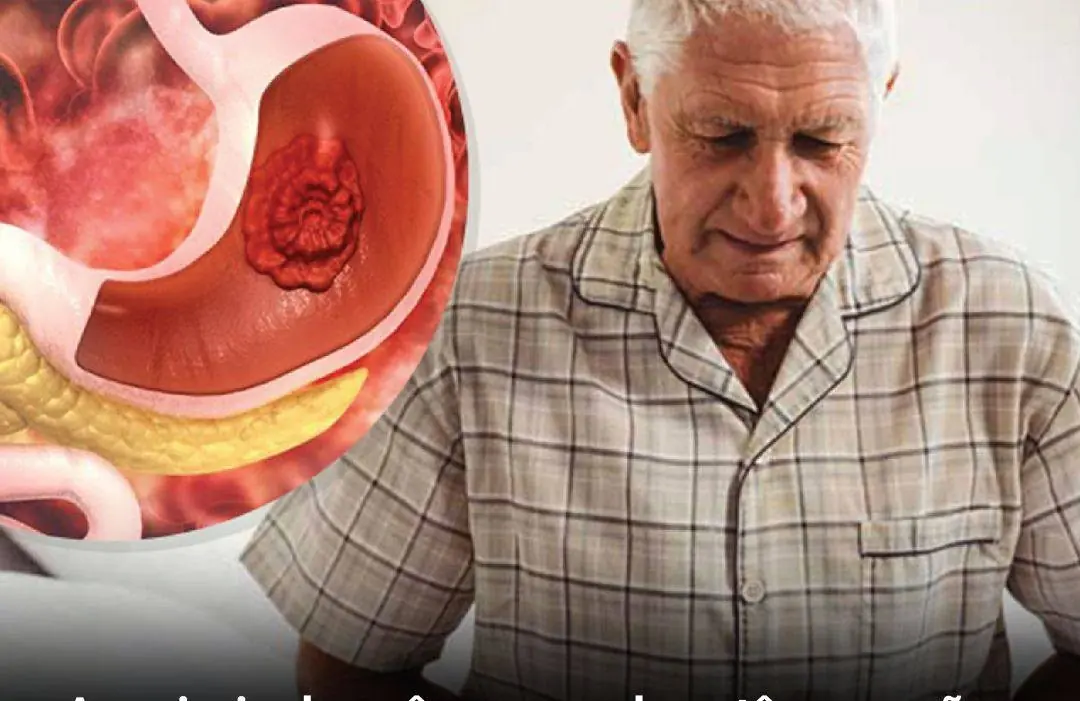
Stomach cancer is one of the most frequently overlooked cancers because its early symptoms often resemble common digestive issues.
By the time clear warning signs appear, the disease may already be in an advanced stage, which is why early detection plays a critical role in improving outcomes.
Doctors emphasize that certain symptoms occurring after meals may indicate changes in the stomach lining that require medical evaluation.
These symptoms do not mean someone has cancer, but they are signs that the stomach is not functioning normally — and early endoscopy can help identify problems long before they become serious.
Here are the five key post-meal symptoms experts say you should never ignore.
1. Persistent Upper Abdominal Discomfort After Eating
One of the earliest signs is a deep, nagging discomfort in the upper abdomen shortly after meals.
This sensation may feel like:
• fullness under the ribs
• pressure or tightness
• mild but persistent burning
Unlike simple indigestion that improves over time, this discomfort tends to:
• return daily
• last for weeks or months
• worsen with larger meals
It may indicate inflammation, ulcers, or early tissue changes in the stomach lining.
2. Feeling Full Quickly — Even After Eating Very Little
Also known as early satiety, this symptom happens when the stomach cannot expand normally or empties more slowly than it should.
People may notice:
• feeling full after just a few bites
• loss of appetite
• difficulty finishing meals
Early satiety can be caused by benign conditions like gastritis or delayed gastric emptying, but it is also a common early sign of stomach cancer because tumors can restrict stomach capacity or affect motility.
3. Nausea or Vomiting After Meals
Occasional nausea is common, but persistent nausea after eating should be taken seriously.
Signs to pay attention to include:
• nausea that occurs after most meals
• vomiting undigested food
• worsening symptoms over time
These symptoms may suggest obstruction, inflammation, or early structural changes in the stomach.
If vomiting occurs without another clear explanation — such as infection or food poisoning — an evaluation is recommended.
4. Bloating and Excessive Burping After Meals
While bloating is often linked to common digestive issues, chronic bloating immediately after eating can indicate reduced stomach elasticity or delayed digestion.
Warning patterns include:
• bloating after even small meals
• burping continuously for 30–60 minutes
• discomfort that doesn’t improve with dietary changes
This may occur when the stomach wall becomes irritated or stiff due to chronic inflammation, ulcers, or developing lesions.
5. Unexplained Fatigue and Loss of Appetite After Eating
This symptom combination may signal that the stomach is not processing nutrients efficiently.
People may feel:
• unusually tired during or after meals
• uninterested in food
• weaker despite eating normally
In some cases, early stomach cancer leads to slow internal bleeding, which causes anemia and post-meal fatigue.
Even though fatigue is common in daily life, persistent fatigue linked directly to eating should not be ignored.
Why Early Endoscopy Matters
Endoscopy allows doctors to:
• directly examine the stomach lining
• identify inflammation, ulcers, polyps, or suspicious growths
• biopsy any abnormal tissue
• diagnose issues long before symptoms become severe
In countries with high rates of stomach cancer, early endoscopy is considered the gold standard for screening high-risk individuals.
Detecting stomach cancer at an early stage can dramatically improve treatment success and survival rates.
Who Should Consider Early Endoscopy?
Doctors recommend early screening for people who:
• experience the five symptoms listed above for several weeks
• have a family history of stomach cancer
• have chronic gastritis or H. pylori infection
• are over age 50
• smoke or consume alcohol regularly
• have unexplained weight loss or anemia
Even if results come back normal, endoscopy helps identify the real cause — whether it's gastritis, ulcers, H. pylori infection, or something more serious.