2 Strange Headache Signs That May Warn of a Brain Tumor — Don’t Ignore Them
Headaches are one of the most common health complaints in the world.
Most of the time, they are harmless — caused by stress, dehydration, poor sleep, tense muscles, or sinus pressure.
But in very rare situations, a persistent or unusual headache can be an early sign of something more serious, such as a brain tumor.
Brain tumors are not common, yet recognizing warning signs early can make a critical difference.
Understanding what separates a routine headache from a concerning one helps you know when to seek medical advice.
Below are two unusual headache patterns that doctors often consider red flags.
1. A Headache That Gradually Gets Worse Over Days or Weeks
One of the most important warning signs is a headache that slowly intensifies over time.
This type of headache:
• starts mildly but becomes more severe day by day
• does not respond well to normal painkillers
• lasts for weeks or months
• returns more frequently than before
Unlike tension or migraine headaches, which come and go, a tumor-related headache tends to progress gradually.
Why?
A growing tumor increases pressure inside the skull, compressing nearby structures and disrupting normal fluid circulation. This pressure builds slowly — which is why the headache often worsens over time rather than appearing suddenly.
Other symptoms that may accompany this type of headache include:
• vomiting (especially in the morning)
• blurred or double vision
• dizziness
• difficulty concentrating
• increasing fatigue
If the headache becomes noticeably more intense each week, or if it is worse when lying down or coughing, it deserves medical evaluation.
2. A Headache Accompanied by New Neurological Symptoms
The second major warning sign is a headache that appears alongside neurological changes you have never experienced before.
These symptoms can include:
• Weakness or numbness on one side of the body
This happens when a tumor presses on brain regions responsible for movement or sensation.
• Speech difficulties
Trouble finding words, slurred speech, or slow responses may signal involvement of language centers.
• Sudden personality or behavior changes
Mood swings, confusion, memory problems, or decreased judgment can occur when a tumor affects the frontal or temporal lobes.
• Seizures (even a single episode)
A first-time seizure in an adult is always a medical emergency and a common early sign of brain abnormalities.
• Vision changes
Partial vision loss, blurriness, or seeing flashing lights may indicate pressure on the optic nerves or occipital lobe.
• Loss of balance or coordination
Difficulty walking or frequent stumbling can happen when tumor growth affects the cerebellum.
When a headache appears together with one or more of these symptoms, doctors take it very seriously.
It does NOT automatically mean a brain tumor — infections, strokes, and metabolic disorders can cause similar signs — but it does require prompt medical assessment.
Why These Two Warning Signs Matter
Brain tumors cause symptoms by:
• increasing intracranial pressure
• compressing nerves or brain tissue
• interfering with normal brain function
• blocking fluid pathways
Because the skull cannot expand, even small tumors can cause significant symptoms depending on their location.
This is why pattern changes — not just pain intensity — matter.
Most headaches are completely benign, but tumors create distinctive combinations of symptoms that differ from typical migraines, tension headaches, or dehydration headaches.
When You Should Seek Medical Attention
You should consider seeing a doctor if you experience:
• a persistent headache that worsens over weeks
• headaches that are strongest in the morning
• headaches that worsen when bending over, coughing, or lying down
• new neurological symptoms
• unexplained vomiting
• a first-time seizure
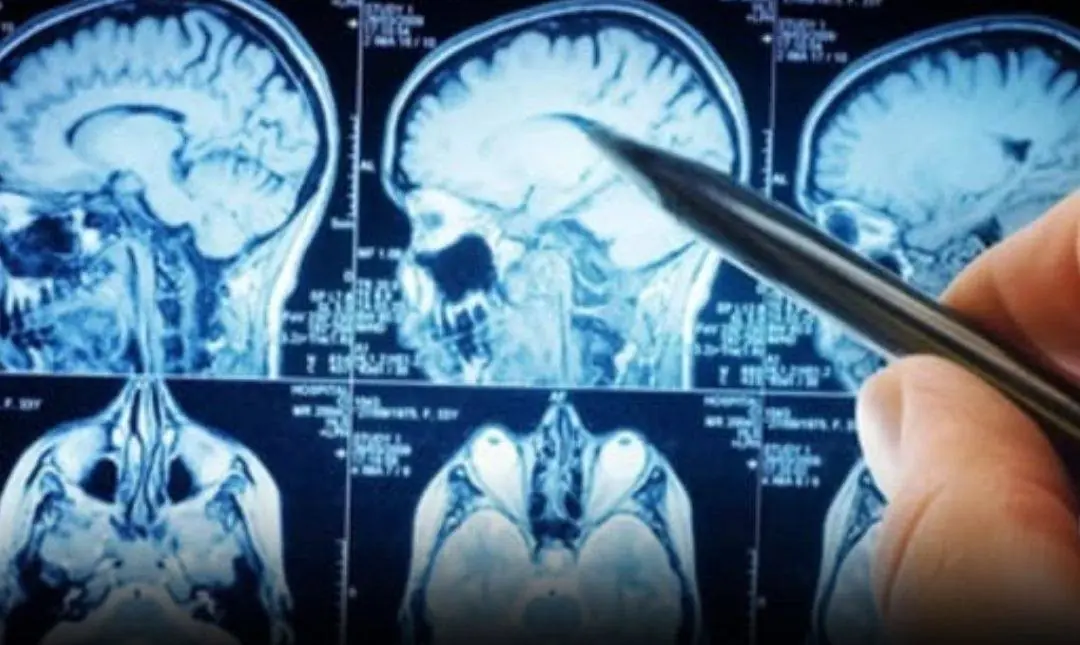
A doctor may recommend imaging tests (CT or MRI) to rule out serious causes.
In many cases, these scans offer reassurance that nothing dangerous is present.
Important Reality Check
While the warning signs above are real, brain tumors remain rare, and most people with chronic headaches do NOT have a tumor.
The goal is not to create fear, but to help you identify unusual patterns that deserve attention.
Early recognition allows for earlier diagnosis — which can improve treatment options and outcomes.
Bottom Line
Most headaches are harmless, but two patterns should never be ignored:
1. A headache that gets progressively worse over time.
2. A headache paired with new neurological symptoms.
If you notice these changes, consult a healthcare professional.
Listening to your body is one of the most powerful tools you have — and early action can make all the difference.