If Your Heel Hurts When You Wake Up or After Sitting for a Long Time, This Is What’s Happening to Your Body
That sharp, stabbing pain in your heel when you take your first steps in the morning can feel alarming. You may notice it eases after walking for a bit — only to return again after sitting or resting for a long time. This pattern is not random, and it’s one of the most recognizable signs of a common foot condition.
Your body is sending a very specific signal.
What That Morning Heel Pain Really Means
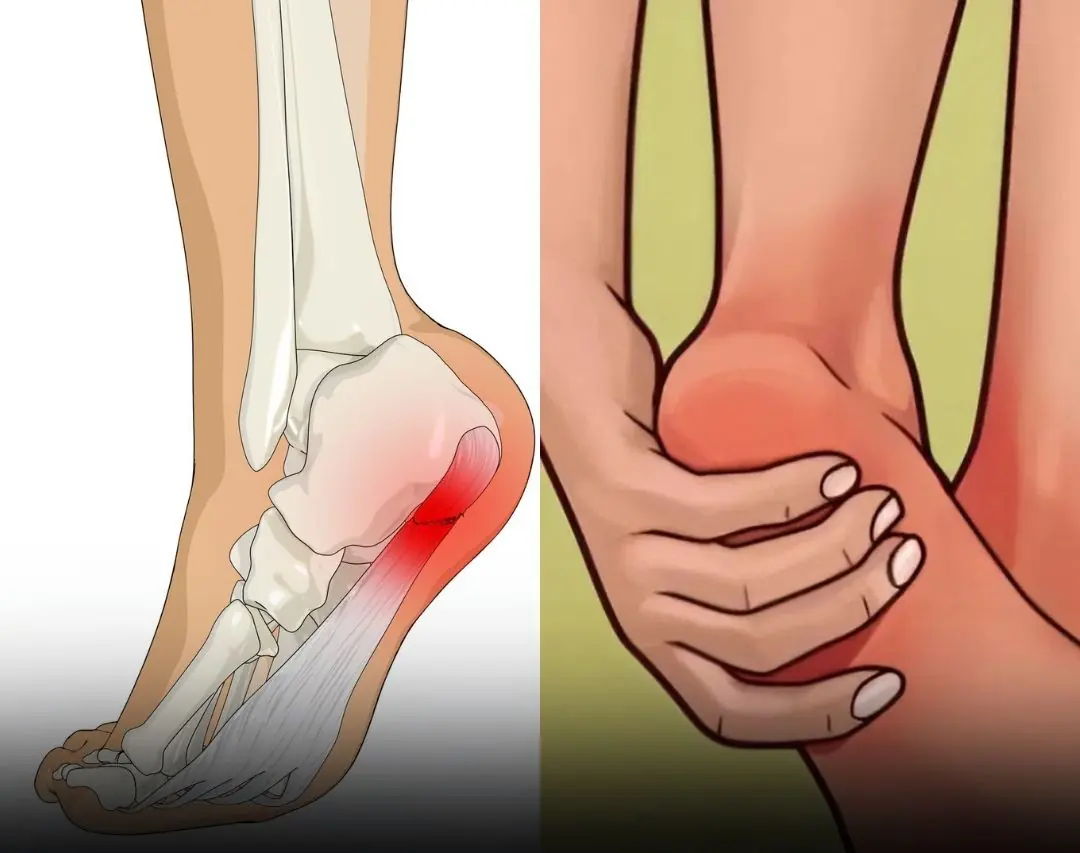
In most cases, this type of pain is caused by plantar fasciitis.
The plantar fascia is a thick band of connective tissue that runs along the bottom of your foot, connecting your heel bone to your toes. Its job is to support your arch and absorb shock when you walk.
When this tissue becomes irritated or overstressed, tiny micro-tears form. Over time, this leads to inflammation and pain — especially in the heel.
Why the Pain Is Worst After Rest
Many people wonder why the pain is strongest after sleeping or sitting, rather than during activity.
Here’s what’s happening:
-
While you rest, the plantar fascia tightens and shortens
-
Inflammation settles into the tissue
-
When you suddenly stand up, the tissue is forcefully stretched
-
This sudden stretch irritates the already inflamed area
That’s why the first few steps can feel brutal — like stepping on a sharp object — even though nothing is visibly wrong.
Common Triggers That Lead to Heel Pain
Plantar fasciitis doesn’t appear overnight. It usually develops gradually due to repeated stress.
Common contributing factors include:
-
Standing or walking for long periods
-
Wearing shoes with poor arch support
-
Walking barefoot on hard floors
-
Tight calf muscles or Achilles tendons
-
Sudden increases in physical activity
-
Excess body weight placing pressure on the heel
Even people who are not athletes can develop this condition.
Why Ignoring It Makes Things Worse
Many people push through the pain, assuming it will “work itself out.” Unfortunately, this often leads to chronic inflammation.
Without proper care:
-
Micro-tears continue to worsen
-
Healing becomes slower
-
Pain may spread to the arch or ankle
-
Walking patterns change, stressing knees and hips
Early attention can prevent months — or even years — of discomfort.
What You Can Do to Relieve Heel Pain
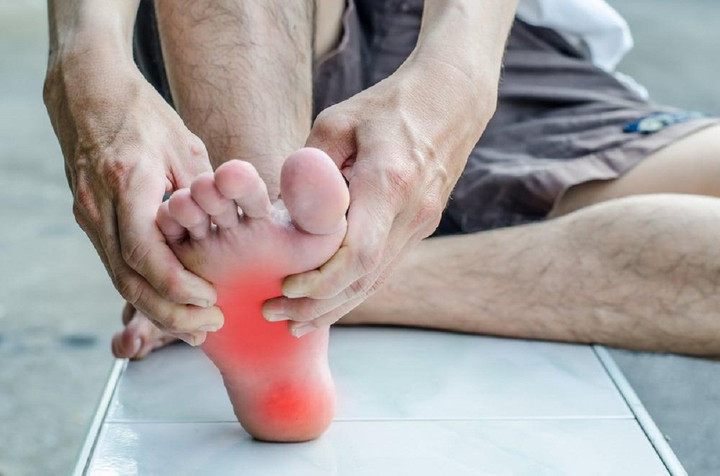
The good news is that most cases improve with simple, consistent care.
Helpful steps include:
-
Stretching calves and the bottom of the foot daily
-
Rolling the foot over a frozen bottle or ball
-
Wearing supportive shoes even at home
-
Avoiding prolonged standing on hard surfaces
-
Resting high-impact activities temporarily
These actions reduce tension on the plantar fascia and allow healing to begin.
When Heel Pain Could Signal Something More
While plantar fasciitis is the most common cause, heel pain should be evaluated if it:
-
Persists for several months
-
Becomes constant and severe
-
Is accompanied by swelling, redness, or numbness
-
Occurs after an injury or fall
In these cases, other conditions such as nerve compression, stress fractures, or inflammatory disorders may need to be ruled out.
The Bottom Line
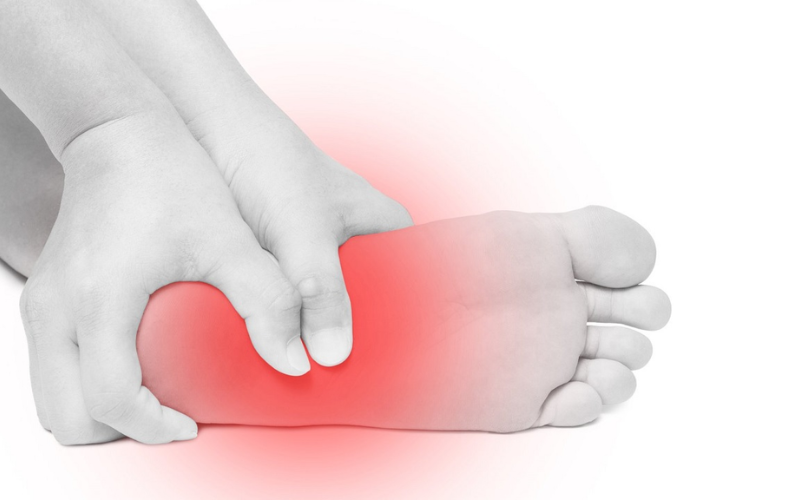
That heel pain you feel in the morning is not just stiffness or “getting older.”
It’s a sign that your foot tissue is under stress and asking for support.
Listening early — and making small changes — can stop a temporary problem from becoming a long-term one.
Your first steps of the day shouldn’t hurt.
And with the right care, they don’t have to.