
A China começou a testar uma solução inusitada para um problema
A China começou a testar uma solução inusitada para um problema
News 01/04/2026 22:44
That headline hits hard, right?
Living up to 200 years thanks to something found in whales?
Before you get too hyped, let’s unpack what’s actually going on here—because the truth is way more nuanced (and interesting) than the viral claim 👇

 4
4
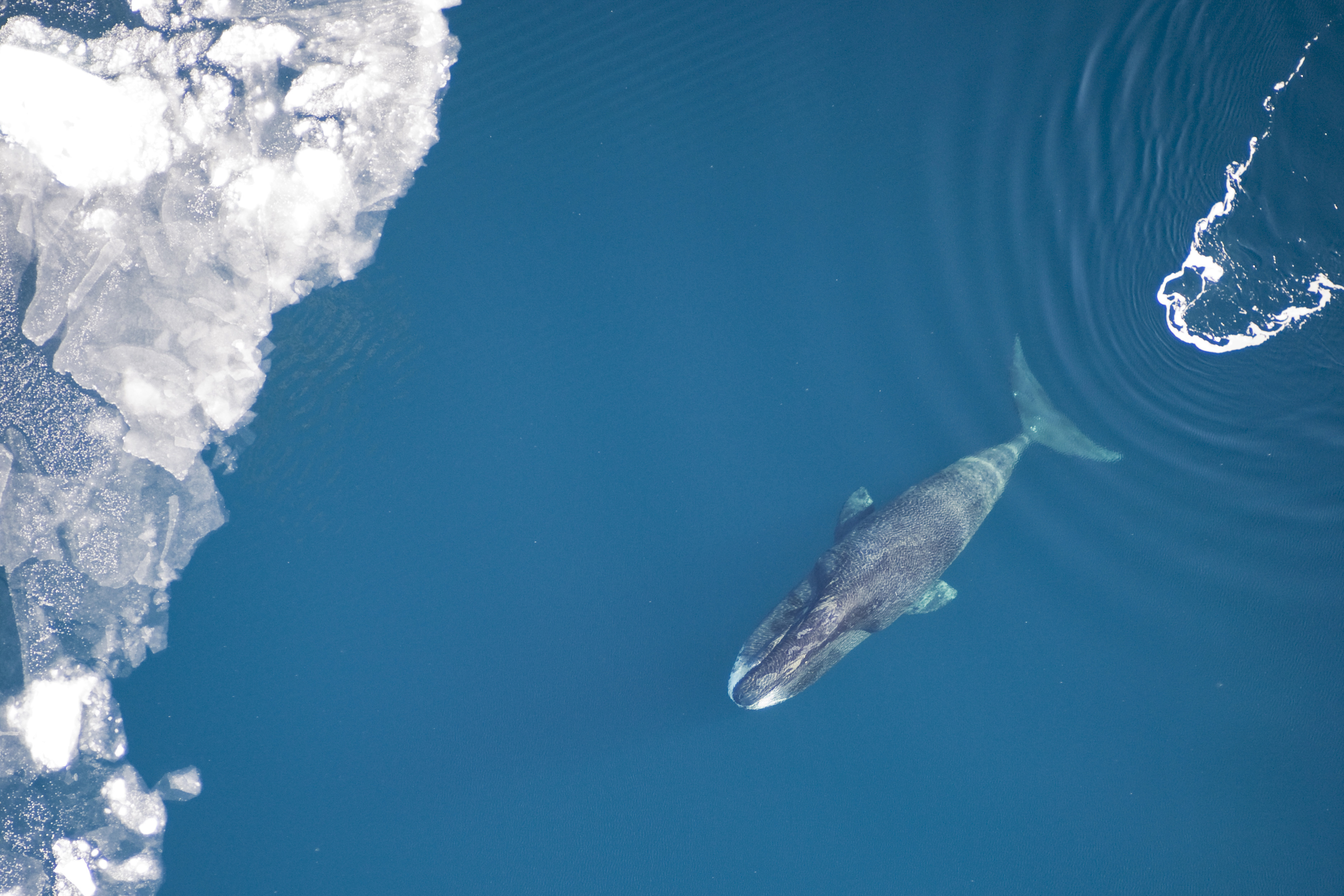
Some whale species—especially the bowhead whale—can live over 200 years. That’s not a myth. It’s been confirmed through biological analysis.
So scientists naturally ask:
👉 How do these animals avoid aging-related diseases like cancer for so long?

 4
4
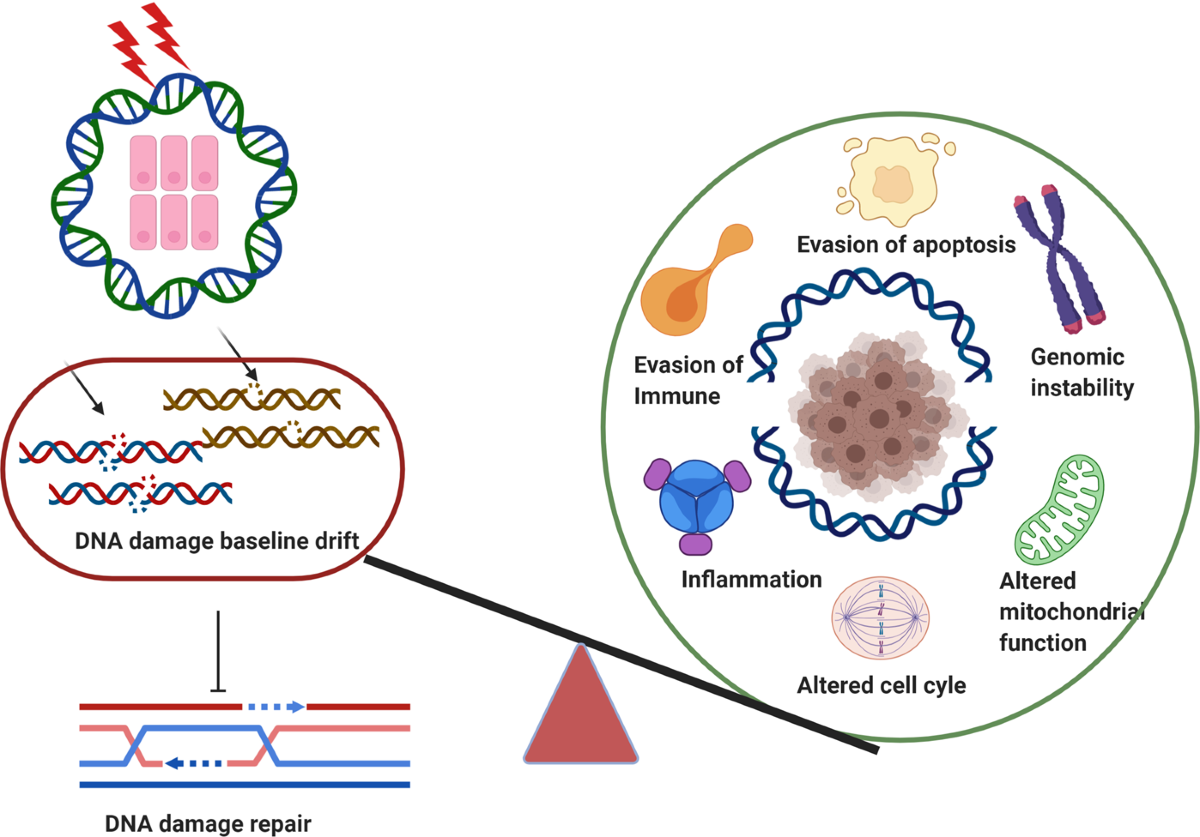
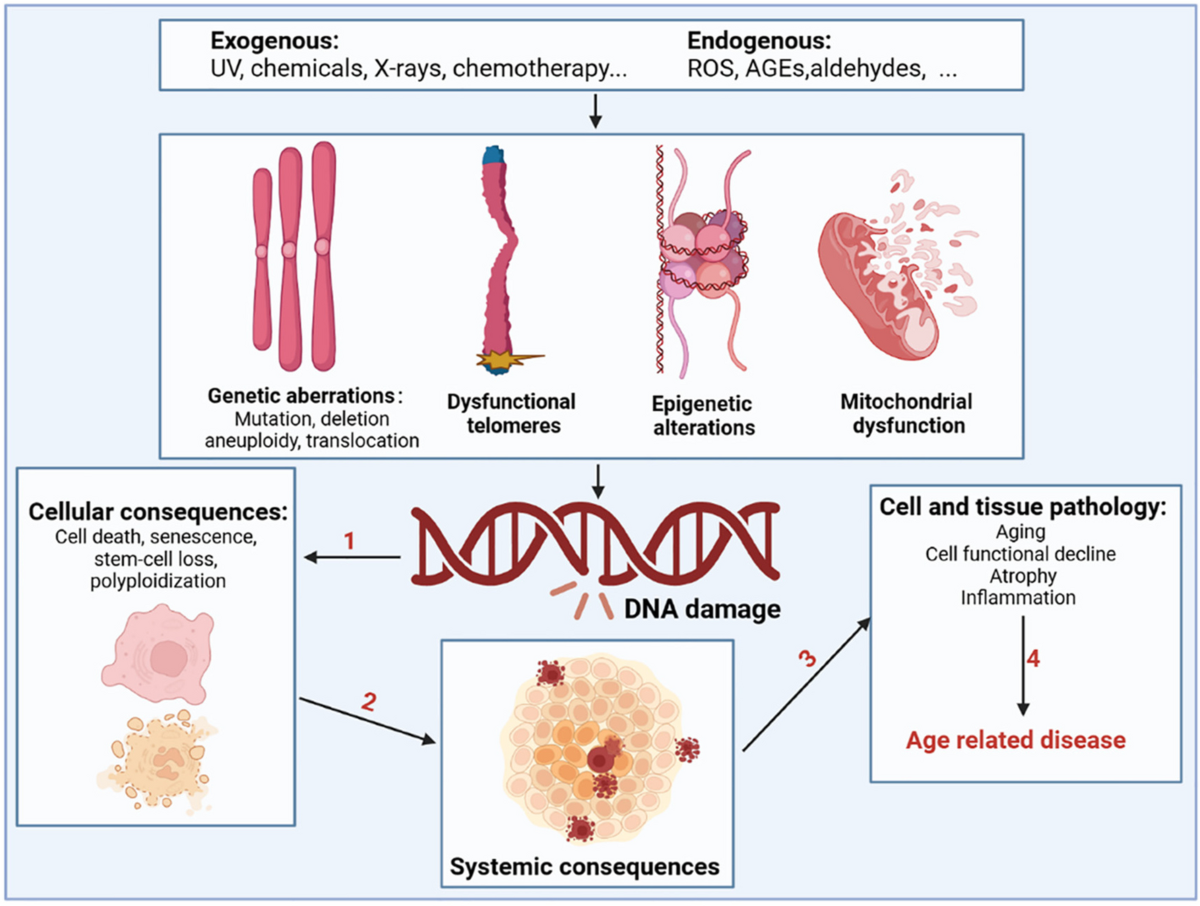
Researchers have found that whales may have:
These proteins help:
✔️ Repair damaged DNA
✔️ Prevent abnormal cell growth
✔️ Slow down aging processes at a cellular level
Let’s be real:
❌ There is NO proof humans can live 200 years using whale proteins
❌ No treatment like this exists today
❌ It’s still in early-stage research
👉 What scientists are doing is:

 4
4
Instead of “living 200 years,” the realistic goals are:
👉 Think: better quality of life, not immortality.
Because:
So content gets stretched into something dramatic.
This discovery is actually very cool scientifically—but not in the way social media presents it.
✔️ Whales may hold clues to longevity
✔️ Science is exploring it
❌ You won’t be living 200 years anytime soon
👉 The real win?
Understanding aging better… so we can live healthier, longer lives—not necessarily double our lifespan overnight.
A China começou a testar uma solução inusitada para um problema

Aos 14 anos, o indiano Siddharth Nandyala criou um aplicativo

A ciência já mostrou que amizades verdadeiras podem impactar

Uma abordagem da Polícia Rodoviária Federal terminou de

Os coala têm impressões digitais extremamente parecidas com as humanas,

O núcleo da Terra “parou” e vai girar ao contrário? Calma… não é bem assim

A Islândia tem uma das maiores taxas de posse de armas do mundo

Em meio ao caos da Segunda Guerra Mundial, uma cena curiosa e até

Uma reforma terminou em polêmica nos Estados Unidos após seis

“Woman Hires Latino Workers, Then Calls ICE to Avoid Paying Them?” — Real Story or Viral Twist?

“Eating Açaí in Childhood Can Prevent Anxiety and Depression?” — Let’s Get This Straight

Bryan Pereira, um jovem jogador indígena do Espírito Santo

A Colômbia decidiu endurecer a proteção da Amazônia ao frear a expansão de atividades

Um menino de 11 anos, identificado como Andrew Kunz, sobreviveu após ser atacado

No auge dos celulares populares no Brasil, um modelo im

O Exército Brasileiro apresentou um plano bilionário de cerca de R$ 456

A imagem parece coisa de filme apocalíptico
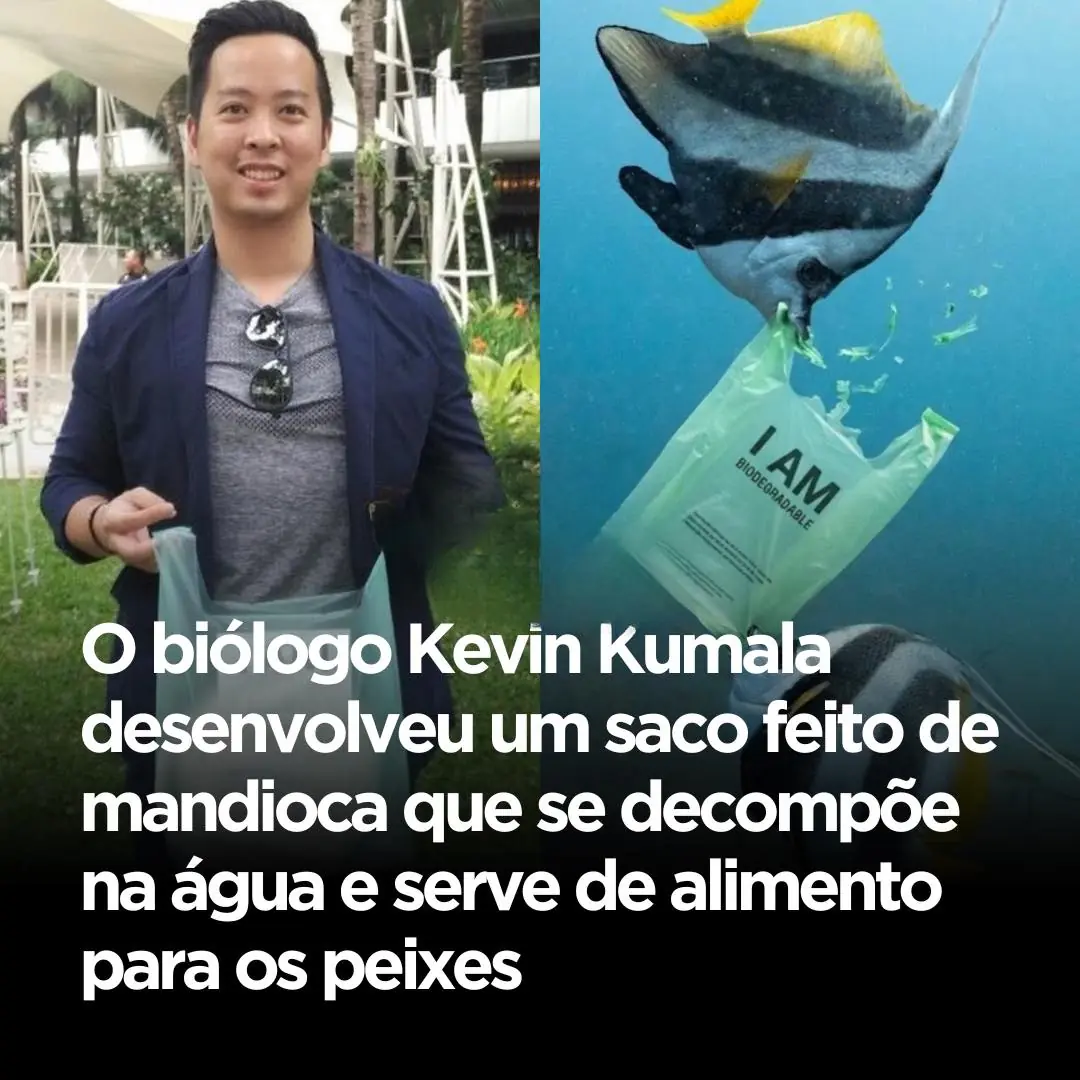
O biólogo indonésio Kevin Kumala desenvolveu por meio da Avani Eco
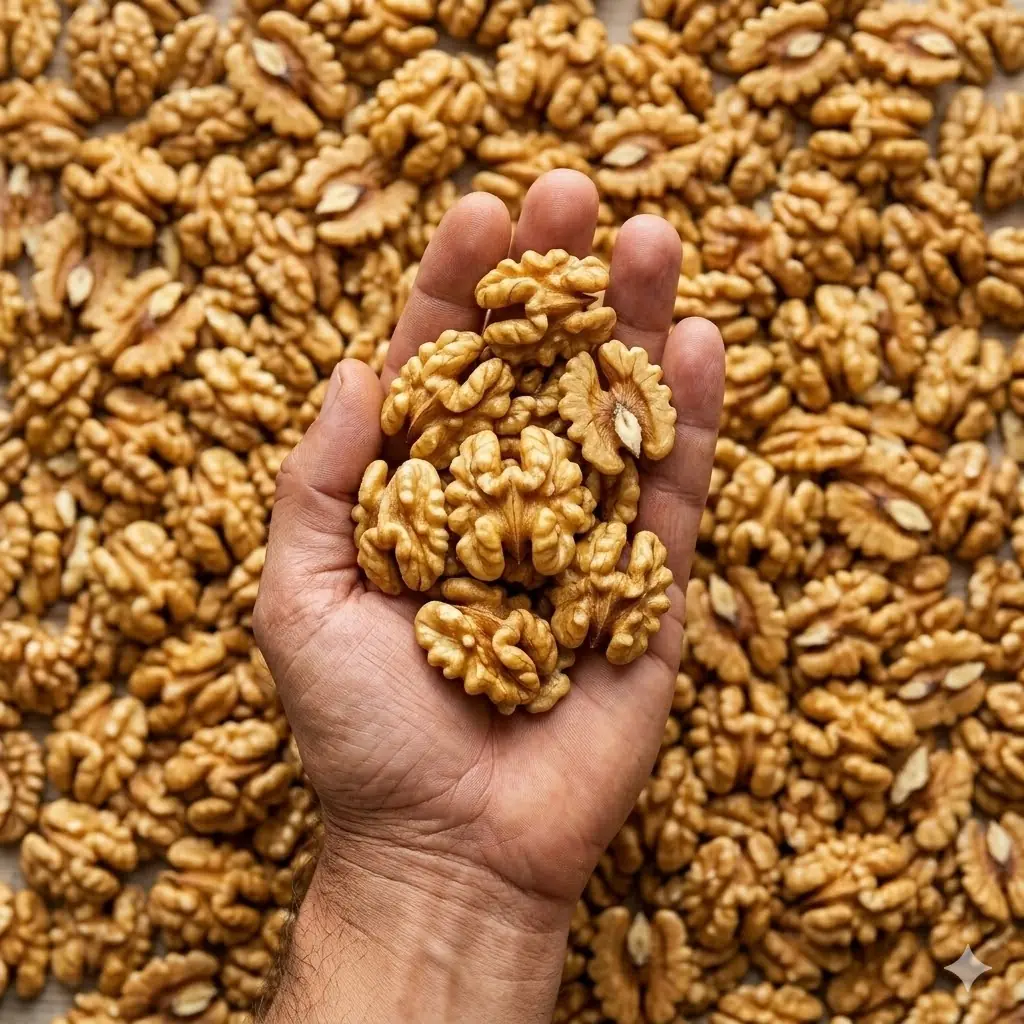
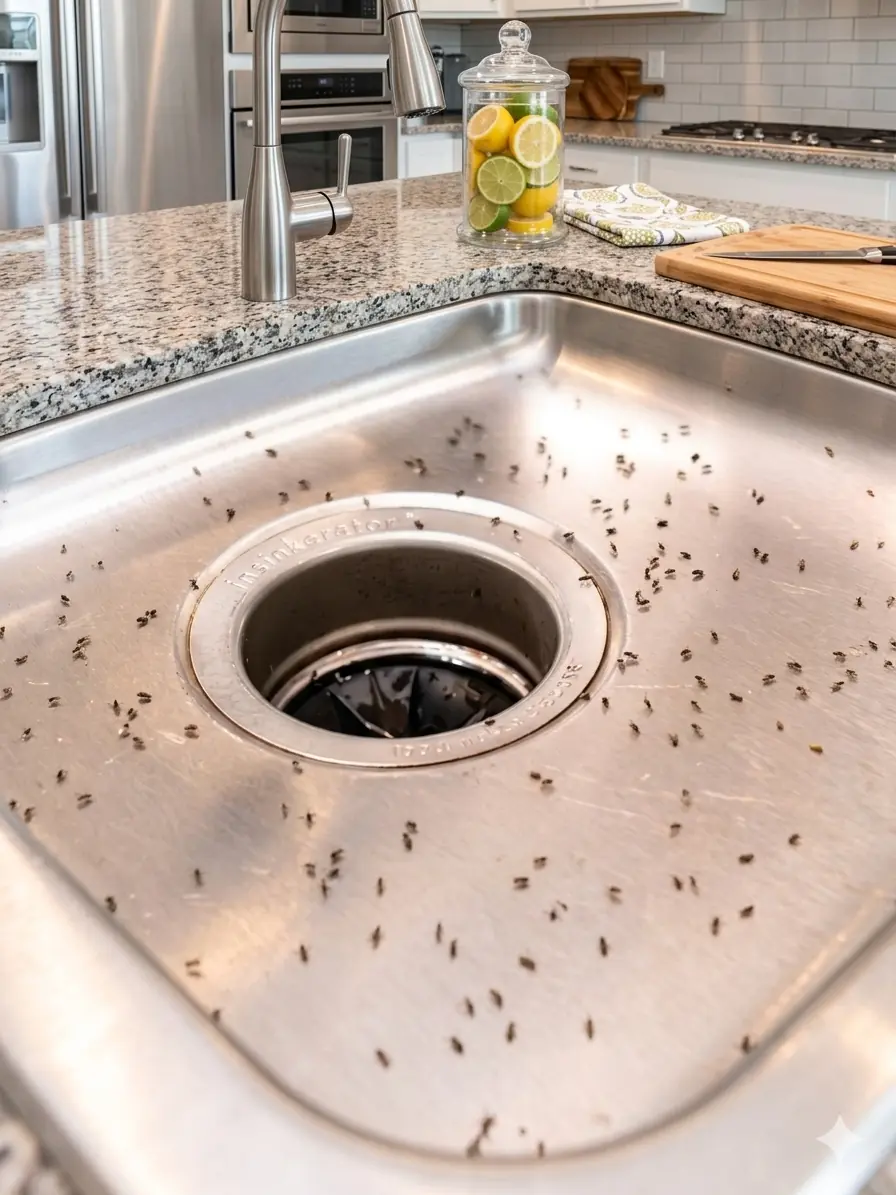




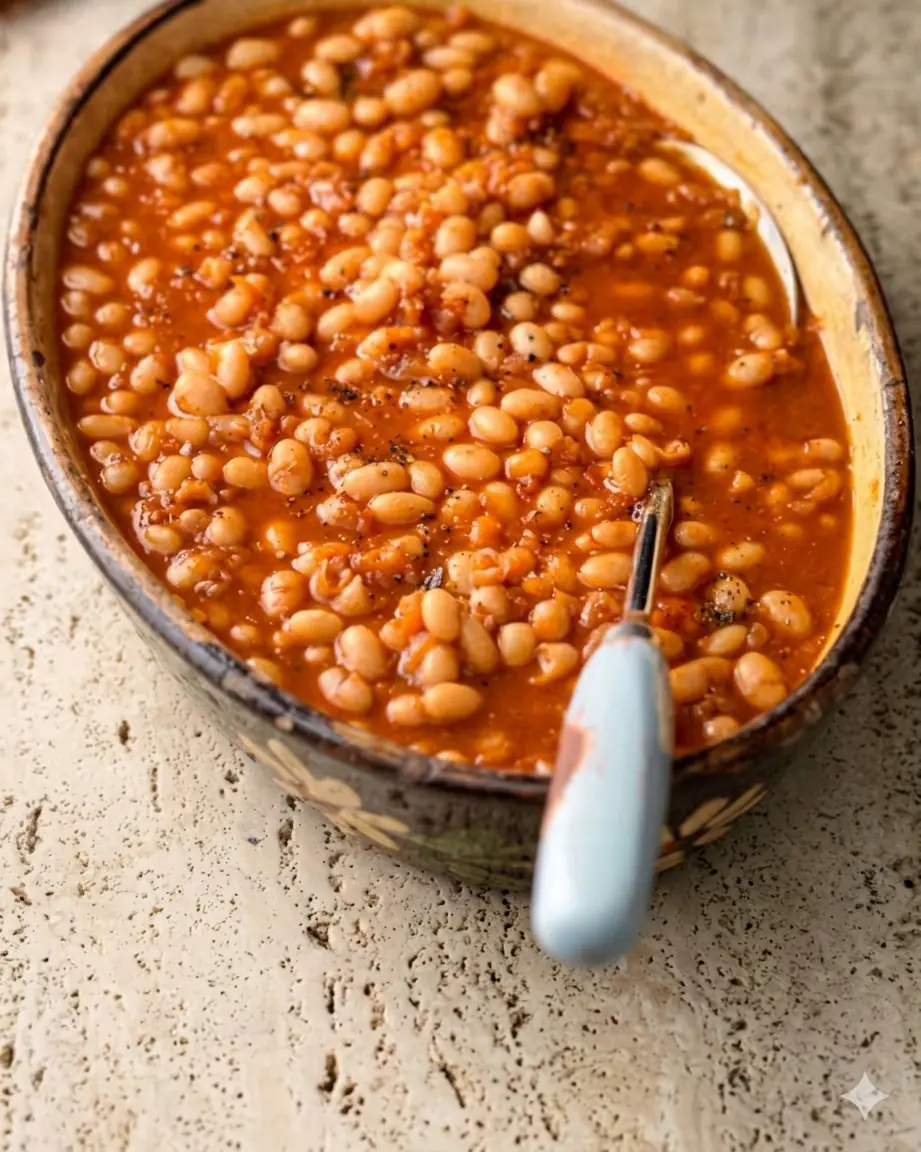

uma mistura de mel, suco de limão, cebola, alho e gengibre ralado

Panelas incrustadas limpas instantaneamente com este truque de cozinha fácil e poderoso
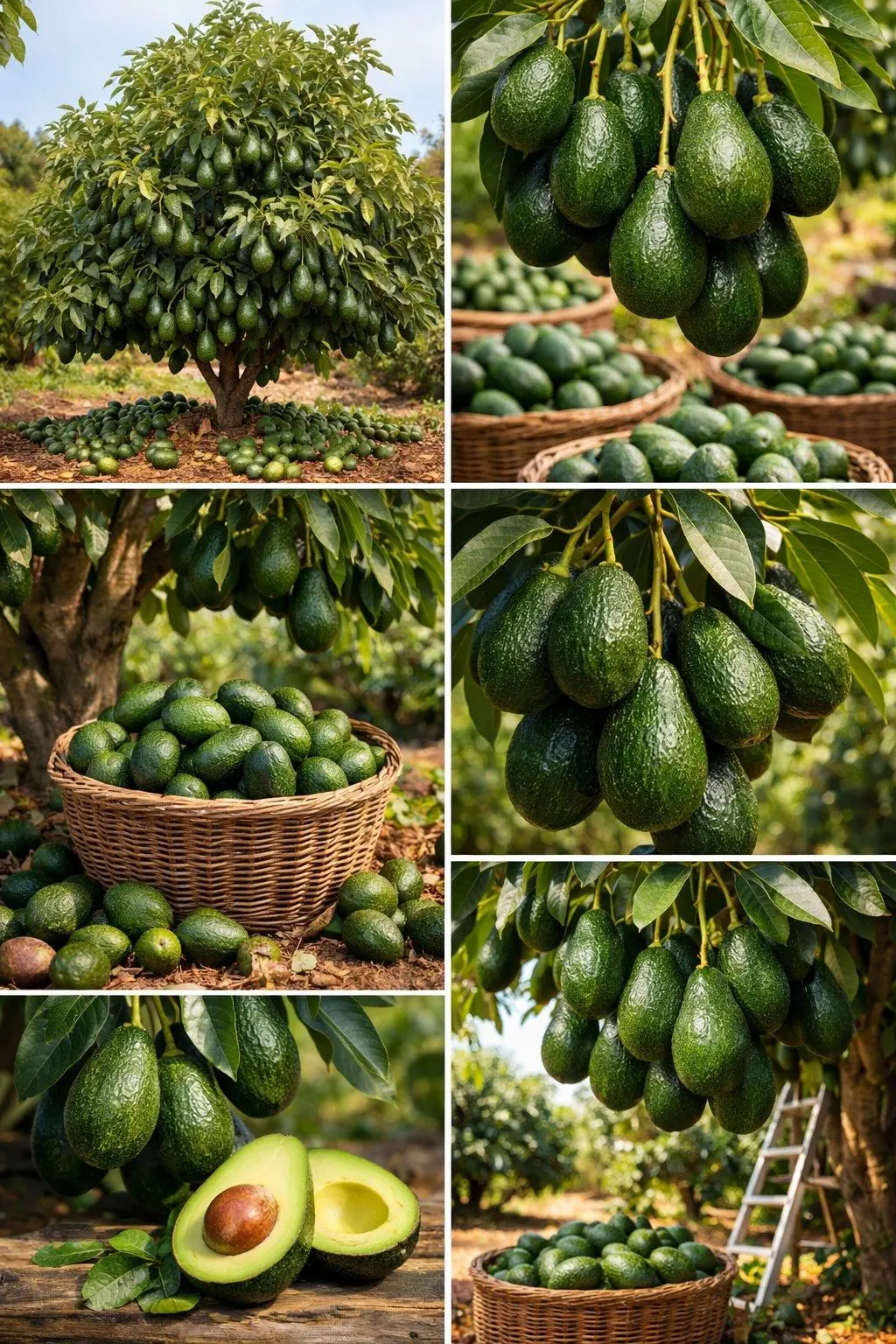
Como cultivei um abacateiro completo em casa usando este método fácil
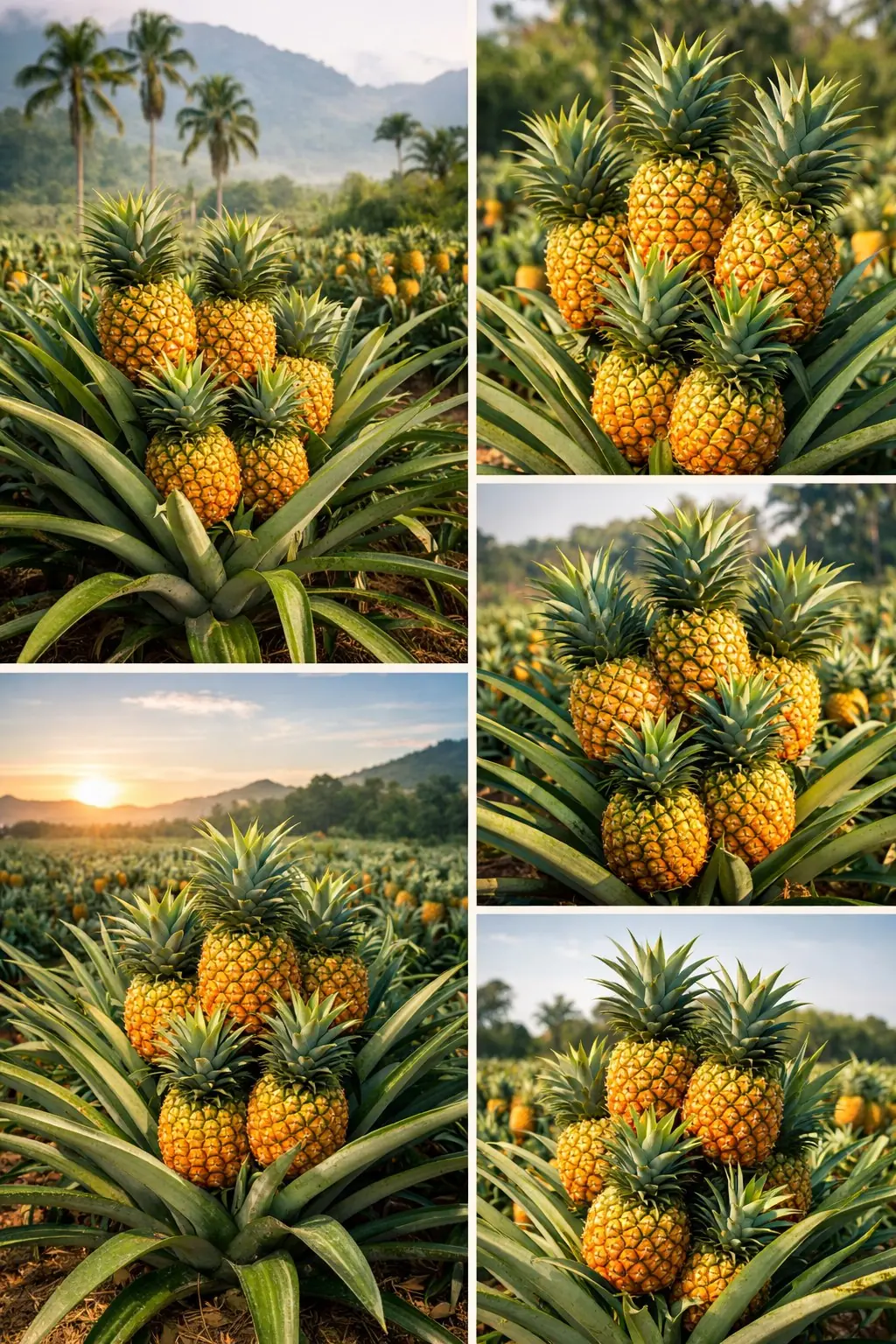
Do topo à mesa: como cultivar abacaxis facilmente em casa
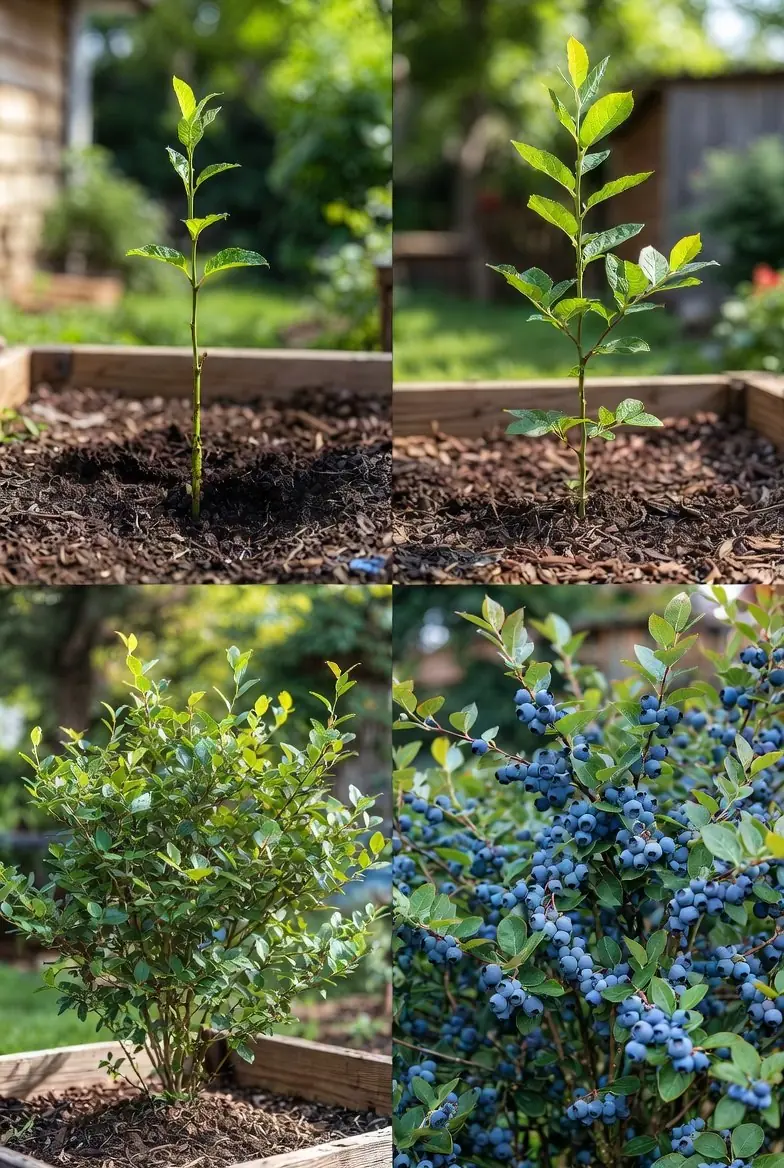
Cultive mirtilos na varanda e desfrute colheitas frescas toda a temporada

Método simples para salvar uma orquídea sem raízes e fazê-la renascer

Uma abordagem da Polícia Rodoviária Federal terminou

O Instituto Butantan vai começar a produzir no país um medicamento
A China começou a testar uma solução inusitada para um problema
Aos 14 anos, o indiano Siddharth Nandyala criou um aplicativo

Há cerca de dois mil anos, um dos episódios mais marcantes

Todo mundo adora verbasco, mas poucas pessoas conhecem o valor de suas folhas...