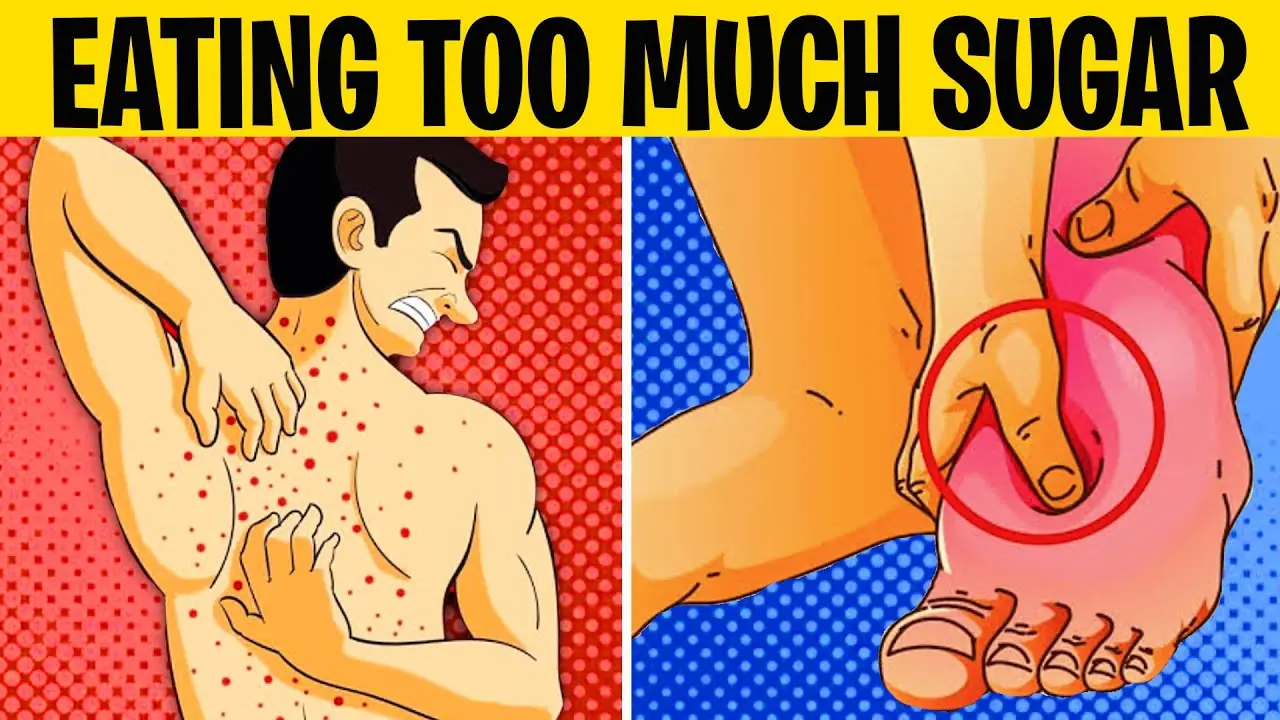
Seu corpo pode estar alertando sobre excesso de açúcar — 5 sinais
5 sintomas comuns de consumo excessivo de açúcar
Health 12/05/2026 22:42
Fatty liver disease has become one of the most common health conditions worldwide, affecting millions of people across all age groups. Often silent in its early stages, fatty liver can progress into serious liver damage if left untreated. The good news is that with the right lifestyle changes and medical guidance, fatty liver is one of the most reversible health conditions.
This article will walk you through everything you need to know: what causes fatty liver, how to recognize warning signs, how it’s diagnosed, and effective strategies to reverse it.
Fatty liver, also known as hepatic steatosis, occurs when more than 5–10% of the liver’s weight comes from fat. The liver naturally contains small amounts of fat, but when excess fat builds up inside liver cells, it begins to interfere with its ability to function.
There are two main types:
Occurs in people who drink little or no alcohol. NAFLD is now the most common form of liver disease worldwide.
Caused by heavy or long-term alcohol consumption.
Both types can progress to inflammation and serious conditions such as fibrosis, cirrhosis, or even liver failure if untreated.
Fat buildup in the liver is influenced by several factors:
High consumption of sugar, refined carbs, processed foods
Excess calories
Frequent intake of fried foods
Excess body fat increases fat storage in the liver.
Often linked to:
Type 2 diabetes
Prediabetes
Metabolic syndrome
Insulin resistance forces the liver to produce more fat.
Elevated blood fats travel to the liver and worsen fatty deposits.
A sedentary lifestyle lowers metabolism and increases fat accumulation.
Alcohol is processed in the liver and can produce oxidative damage, leading to fatty liver.
Some people inherit a greater risk even with a healthy lifestyle.
Such as steroids, tamoxifen, and some antiviral or anti-inflammatory drugs.
Losing weight too quickly can shock the liver and produce excess fat.
Poor gut microbiome can increase inflammation and worsen fat buildup.
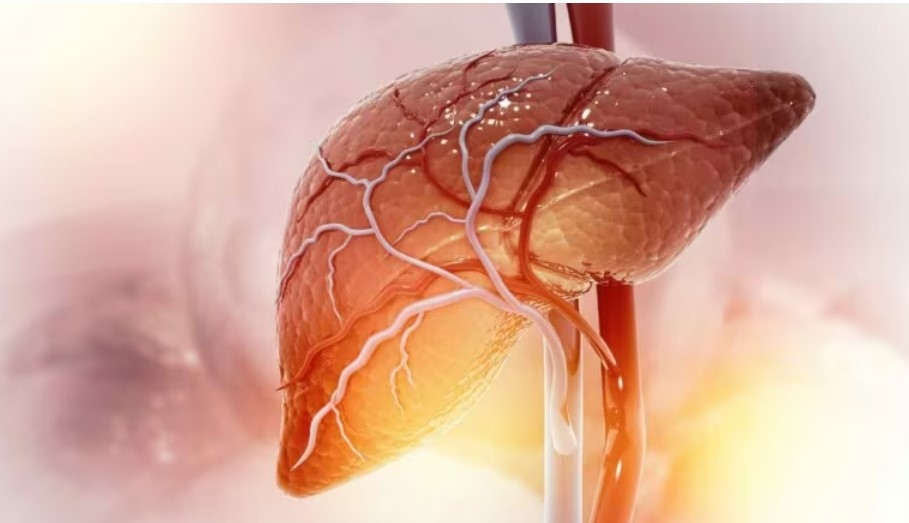
Fatty liver is often called a “silent disease” because symptoms might not appear until the condition becomes more serious. However, some early signs include:
Constant fatigue
Unexplained weight gain (especially around the abdomen)
Mild pain or heaviness on the upper right side
Loss of appetite
Bloating or gas
Difficulty concentrating (“brain fog”)
As the condition worsens, symptoms may progress to:
Jaundice (yellowing of skin/eyes)
Swollen abdomen
Leg swelling
Dark urine
Easy bruising
Doctors may use several methods:
Elevated liver enzymes (ALT, AST) suggest inflammation.
A quick and common imaging method to detect fat levels.
Measures liver stiffness and fat content more accurately.
Used for detailed imaging when needed.
The most accurate method, typically reserved for complex cases.

Untreated fatty liver can progress through four stages:
Simple Fatty Liver – generally harmless and fully reversible
Steatohepatitis (NASH/AASH) – liver becomes inflamed
Fibrosis – scar tissue forms
Cirrhosis – severe irreversible scarring and possible liver failure
Cirrhosis increases the risk of:
Liver cancer
Internal bleeding
Organ failure
This is why early detection and lifestyle changes are essential.
The liver is unique: it's the only organ that can regenerate itself. Many cases of fatty liver can be fully reversed with the right changes.
Losing 5–10% of body weight drastically reduces liver fat.
Focus on:
Leafy greens
Whole grains
Lean proteins (fish, chicken, tofu)
Healthy fats (olive oil, avocados, nuts)
Fruits rich in antioxidants
Avoid:
Sugary drinks
Processed snacks
Fried foods
Excess red meat
Alcohol
Aim for:
150 minutes of moderate exercise per week
Strength training at least twice a week
Exercise helps reduce fat even without significant weight loss.
Healthy gut bacteria reduce liver inflammation.
Add:
Yogurt or kefir
Fermented foods (kimchi, sauerkraut)
Probiotic supplements
Lowering glucose and insulin levels helps reduce liver fat.
Avoid:
White rice
White bread
Sweets
Choose:
Whole grains
Low-glycemic foods
Fiber-rich vegetables
Through:
Diet changes
Exercise
Omega-3 supplements
Medication if prescribed
Alcoholic fatty liver can fully reverse within months of quitting.
Hydration helps the liver flush out toxins.
Poor sleep increases inflammation and insulin resistance.
Consult a doctor first. Helpful herbs include:
Milk thistle
Turmeric
Dandelion root
Artichoke extract
These support liver detoxification and reduce inflammation.
To keep your liver healthy:
Maintain a consistent weight
Avoid overeating
Limit alcohol long-term
Stay physically active
Manage stress
Get yearly health check-ups
Prevention is easier than treatment - especially once fibrosis or cirrhosis sets in.
Fatty liver is a growing health concern, but it doesn’t have to lead to permanent damage. When identified early, it is highly treatable — and often completely reversible. By understanding the causes, recognizing symptoms, and adopting healthier habits, you can protect your liver and improve your overall health.
Your liver works for you every second of the day - filtering toxins, processing nutrients, balancing hormones, and helping your body thrive. Taking care of it is one of the most important investments you can make in your long-term wellbeing.
5 sintomas comuns de consumo excessivo de açúcar
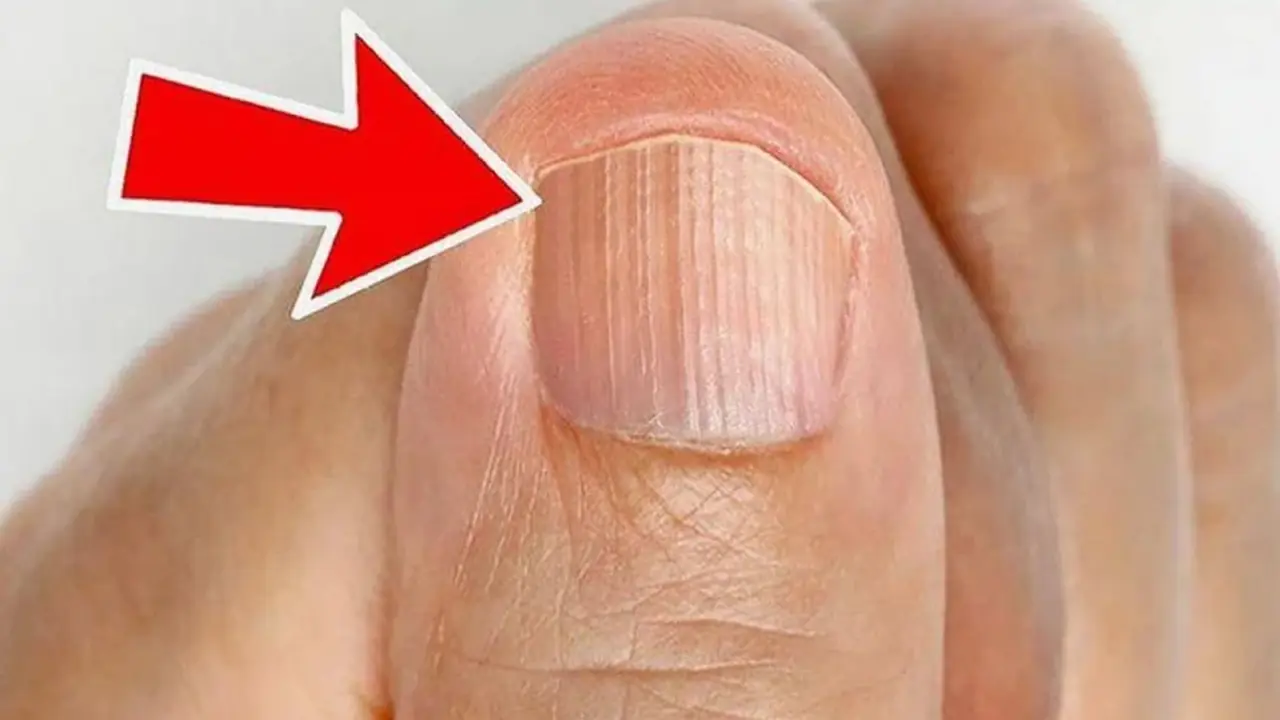
Atenção às unhas: estes sinais merecem cuidado imediato
Seu corpo pode estar alertando sobre níveis altos de açúcar no sangue
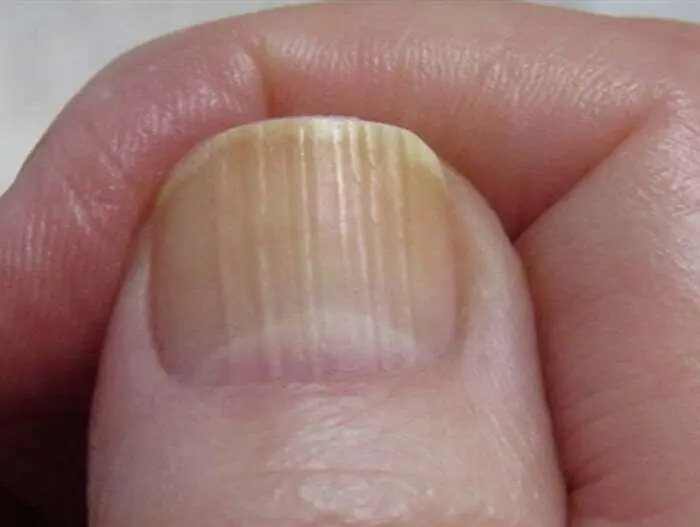
Suas unhas podem estar mostrando sinais importantes sobre sua saúde

10 sinais sutis de demência que merecem atenção
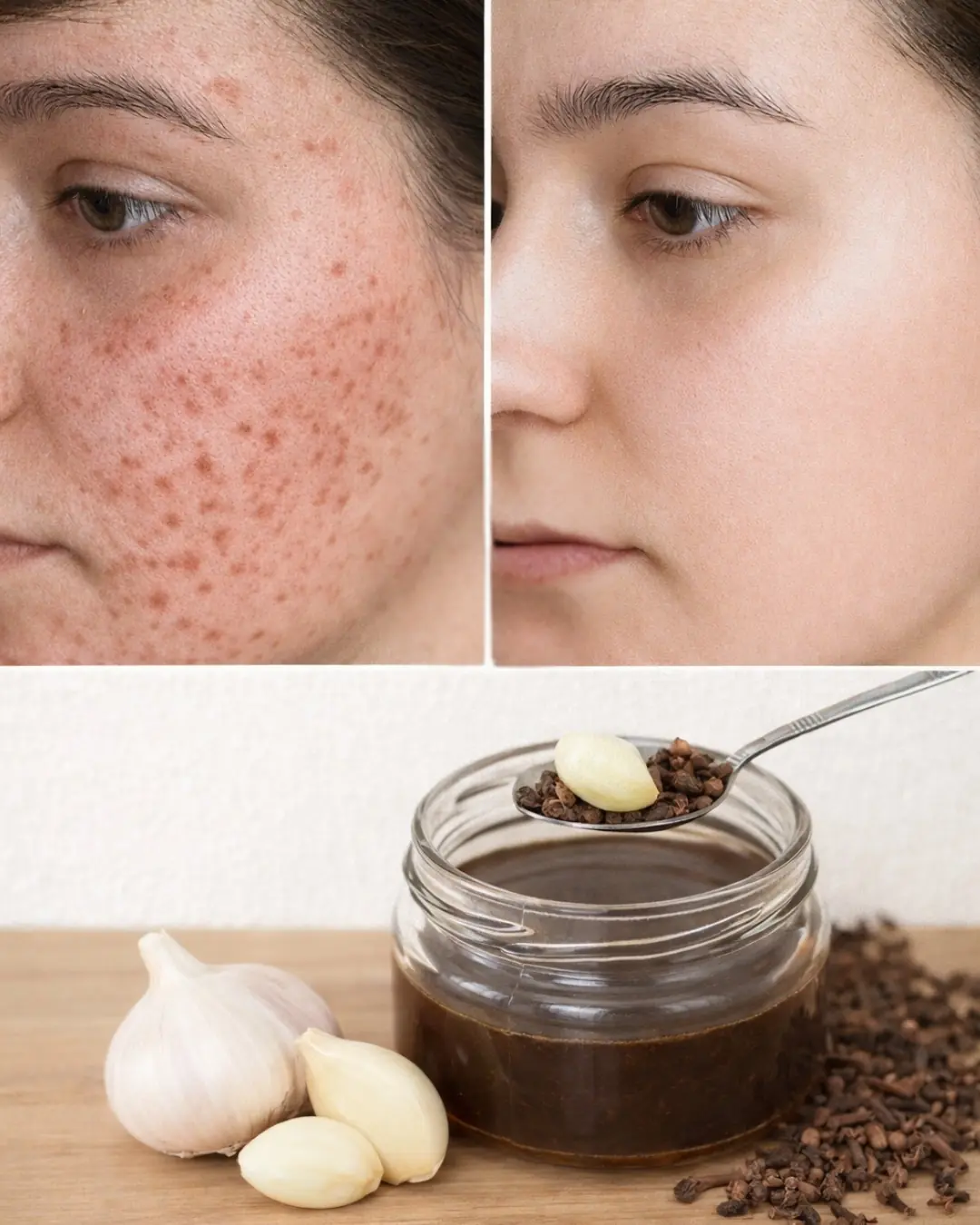
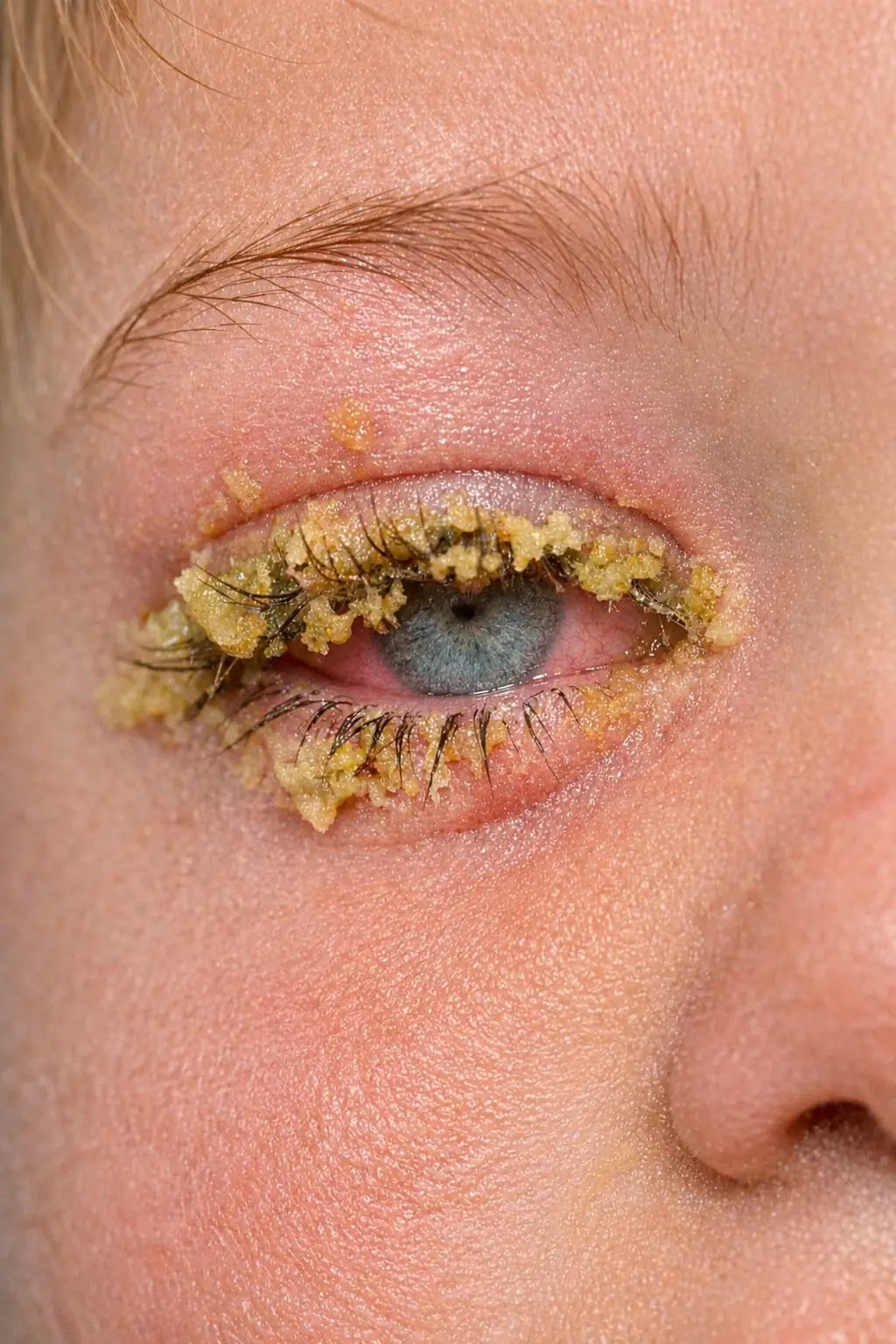
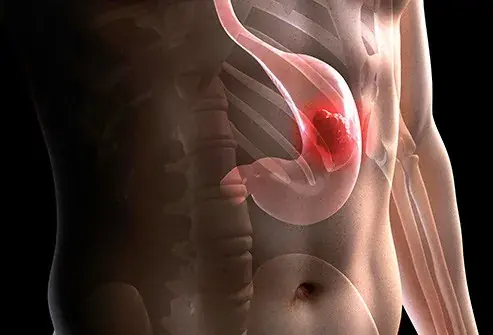
Os primeiros sinais de câncer de estômago podem aparecer meses antes — veja o que você deve observar.
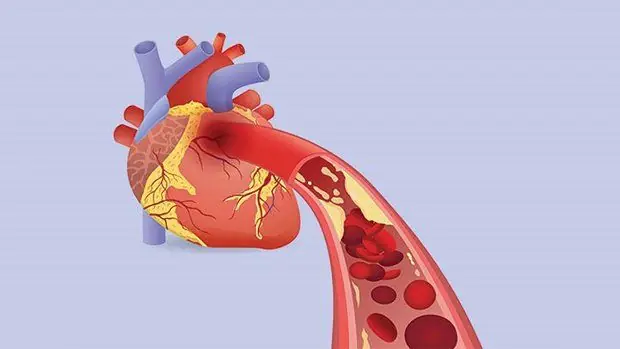
O que evitar pela manhã para controlar pressão alta e colesterol
4 sinais nos pés que você nunca deve ignorar
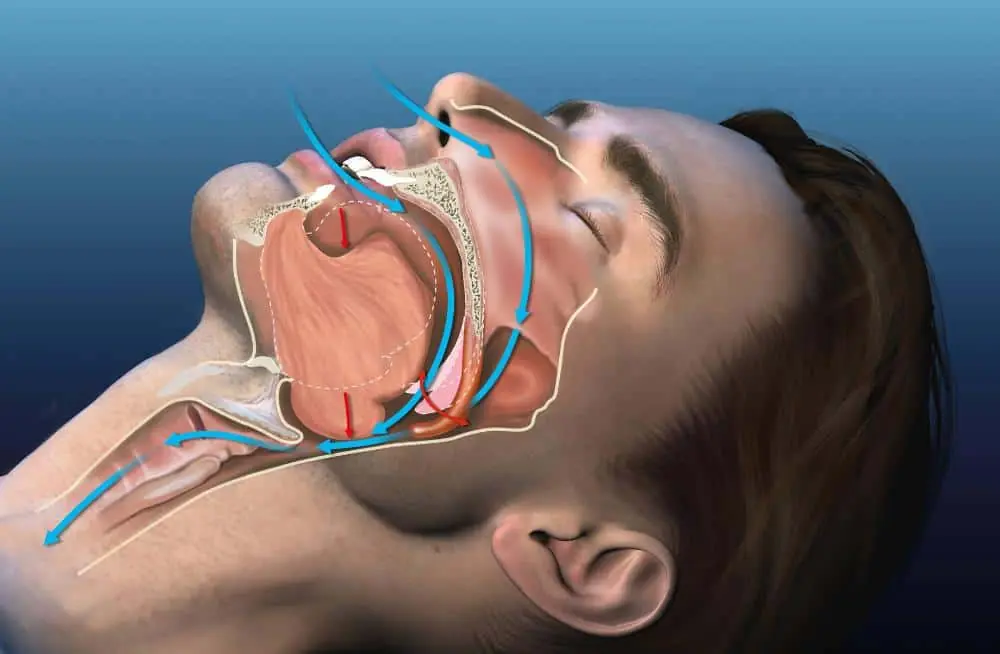
Roncar pode ser perigoso: 5 sinais ocultos de apneia do sono

O Momento em Que Você Toma Café Pode Ser Mais Importante do Que Parece
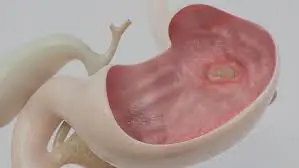
5 sinais precoces de úlcera que muitas pessoas confundem com uma simples indigestão ⚠️
5 sintomas comuns de consumo excessivo de açúcar
Atenção às unhas: estes sinais merecem cuidado imediato
Seu corpo pode estar alertando sobre níveis altos de açúcar no sangue
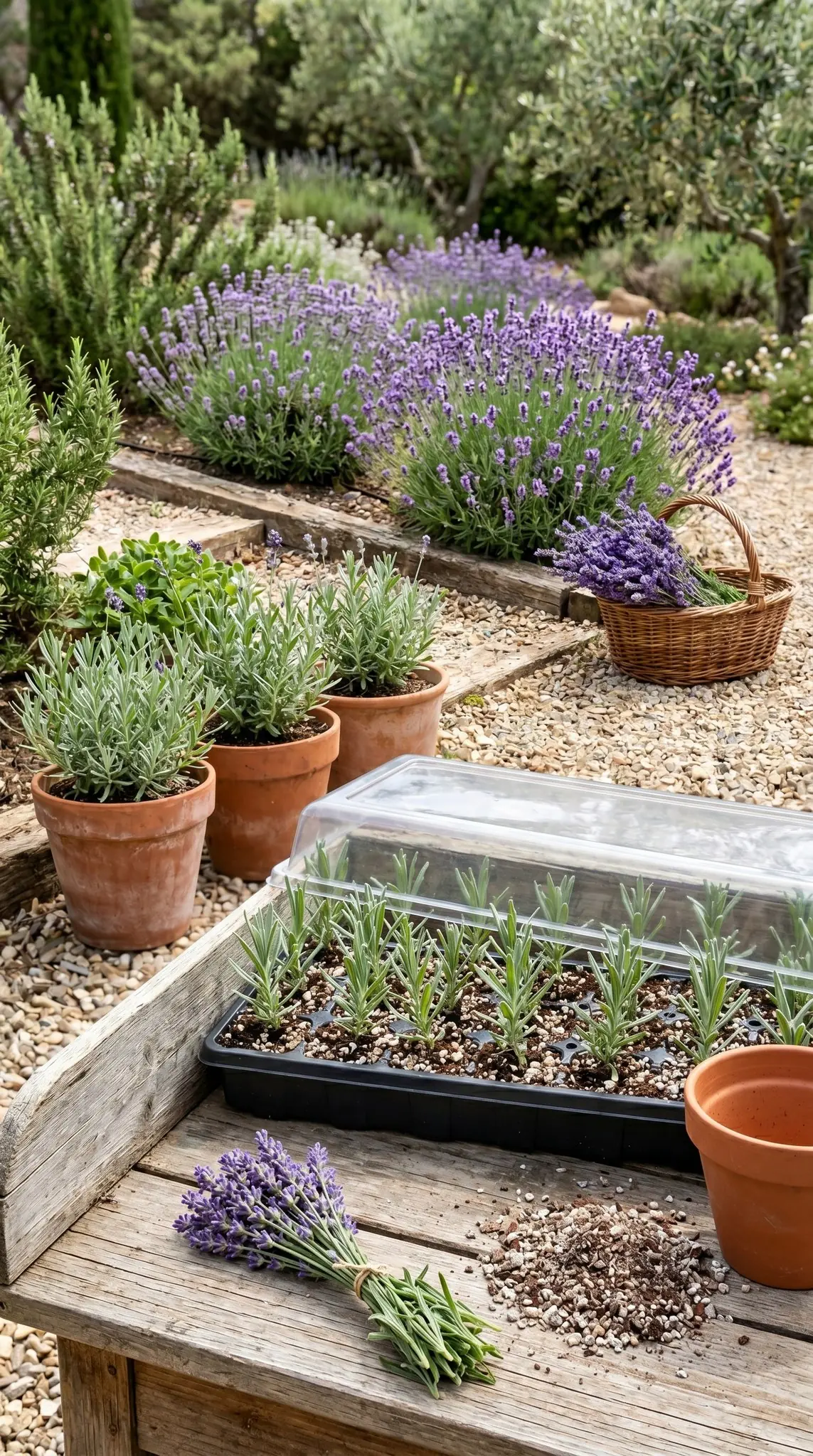
Aprende a multiplicar lavanda fácilmente con esquejes saludables.
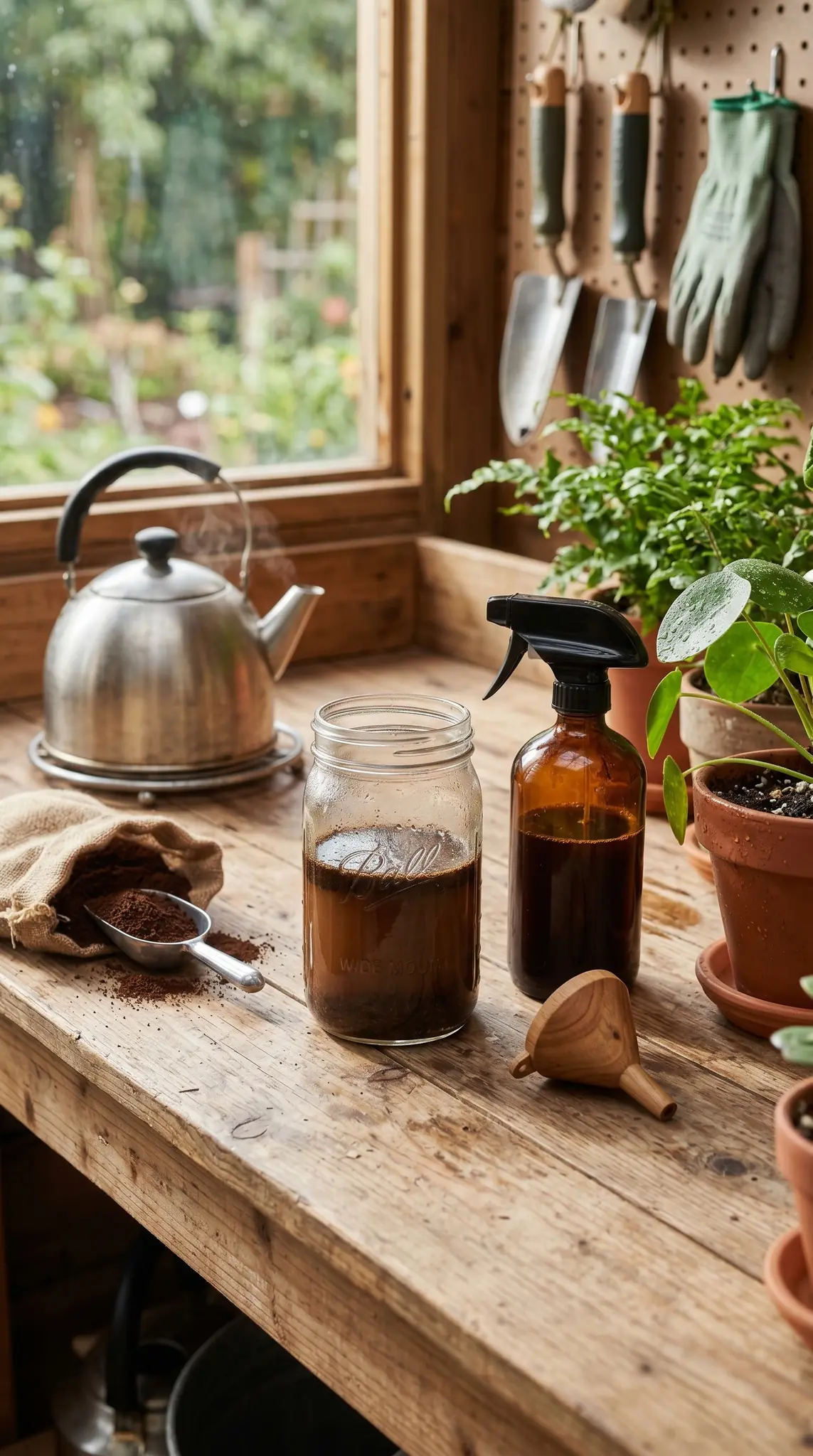
Aprende a reutilizar café para fortalecer plantas de forma natural.
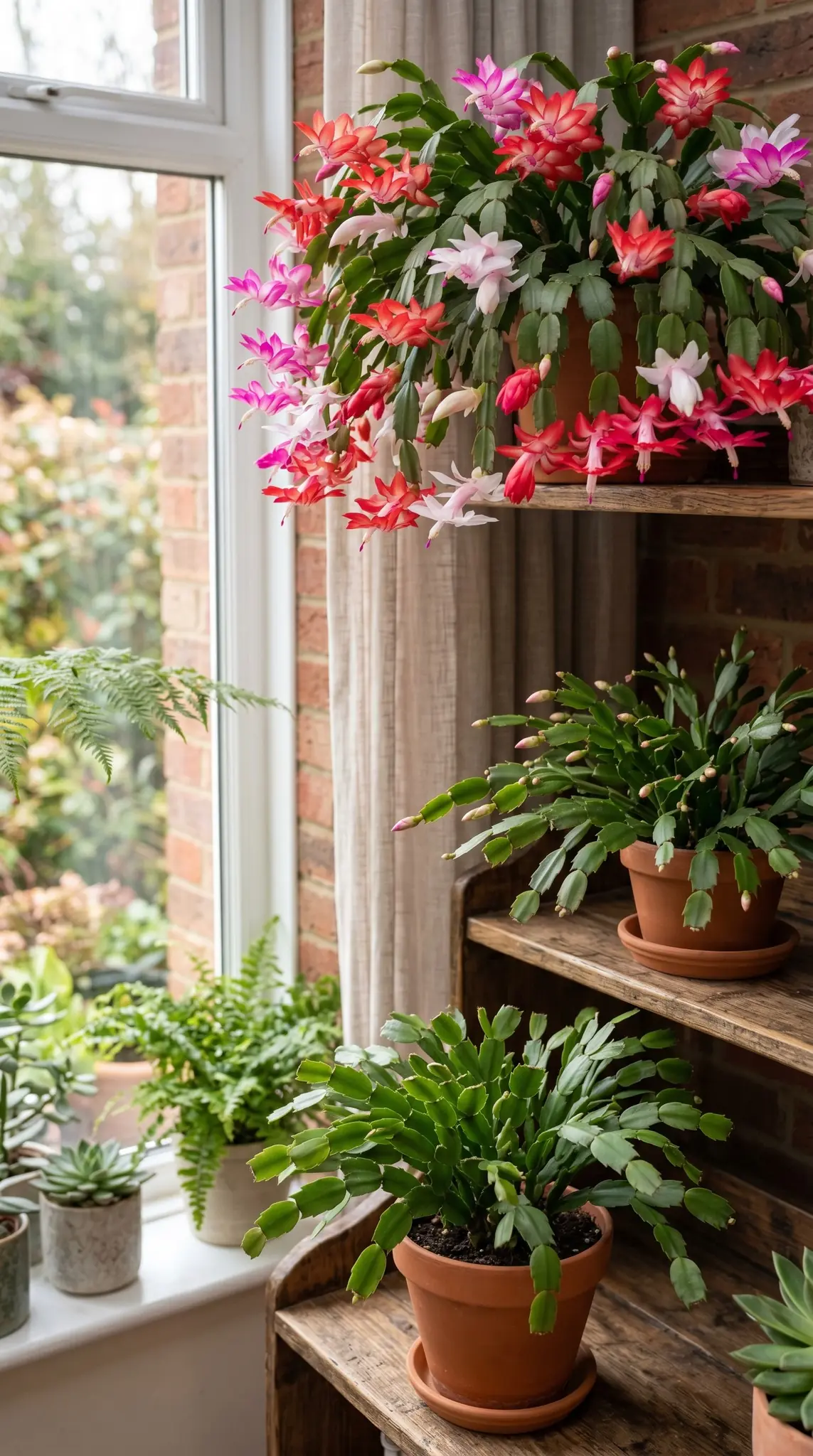
Aprende a cuidar tu cactus navideño para lograr flores constantes.
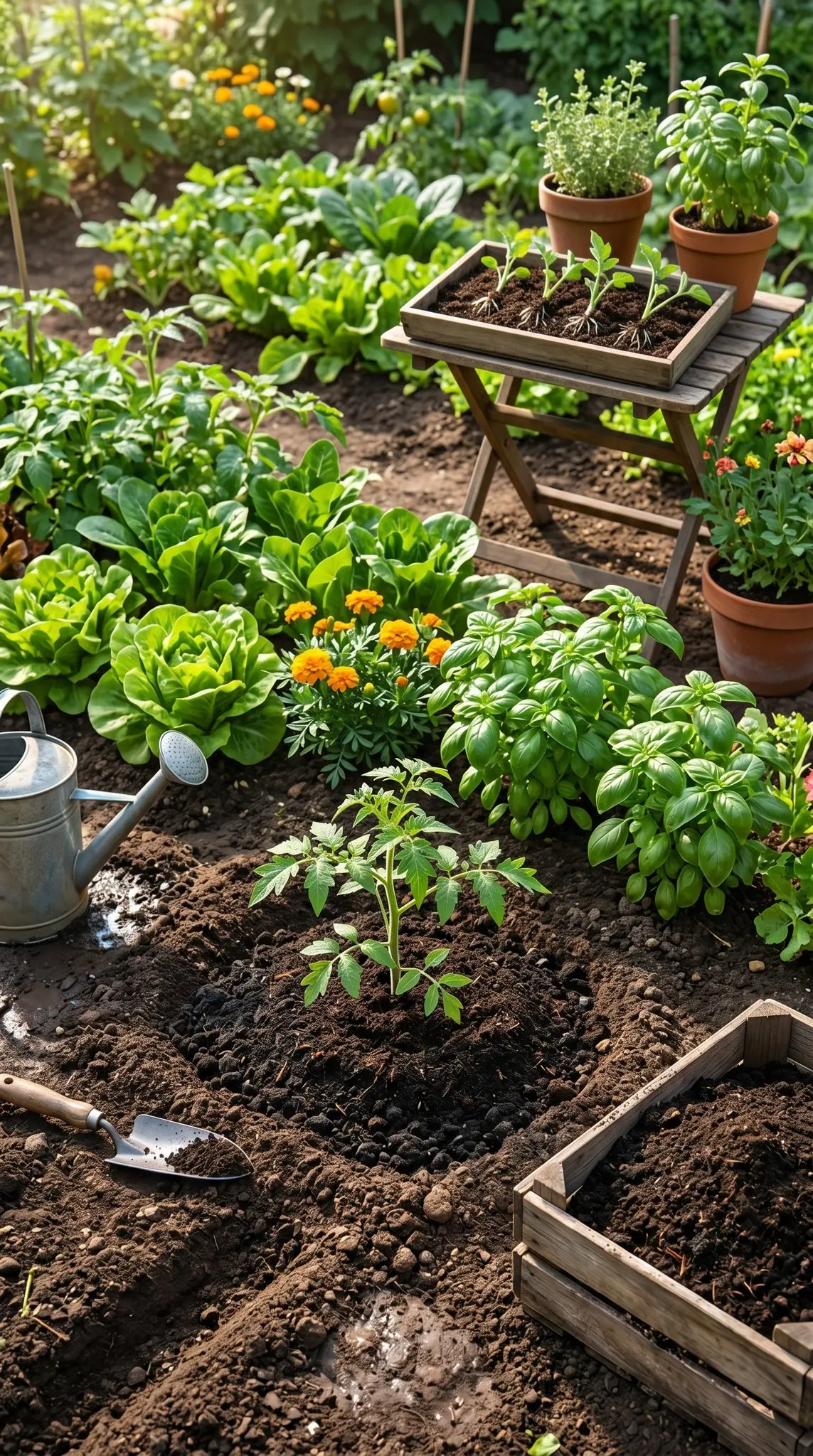
Descubre cómo el compost mejora el suelo y fortalece tus plantas.
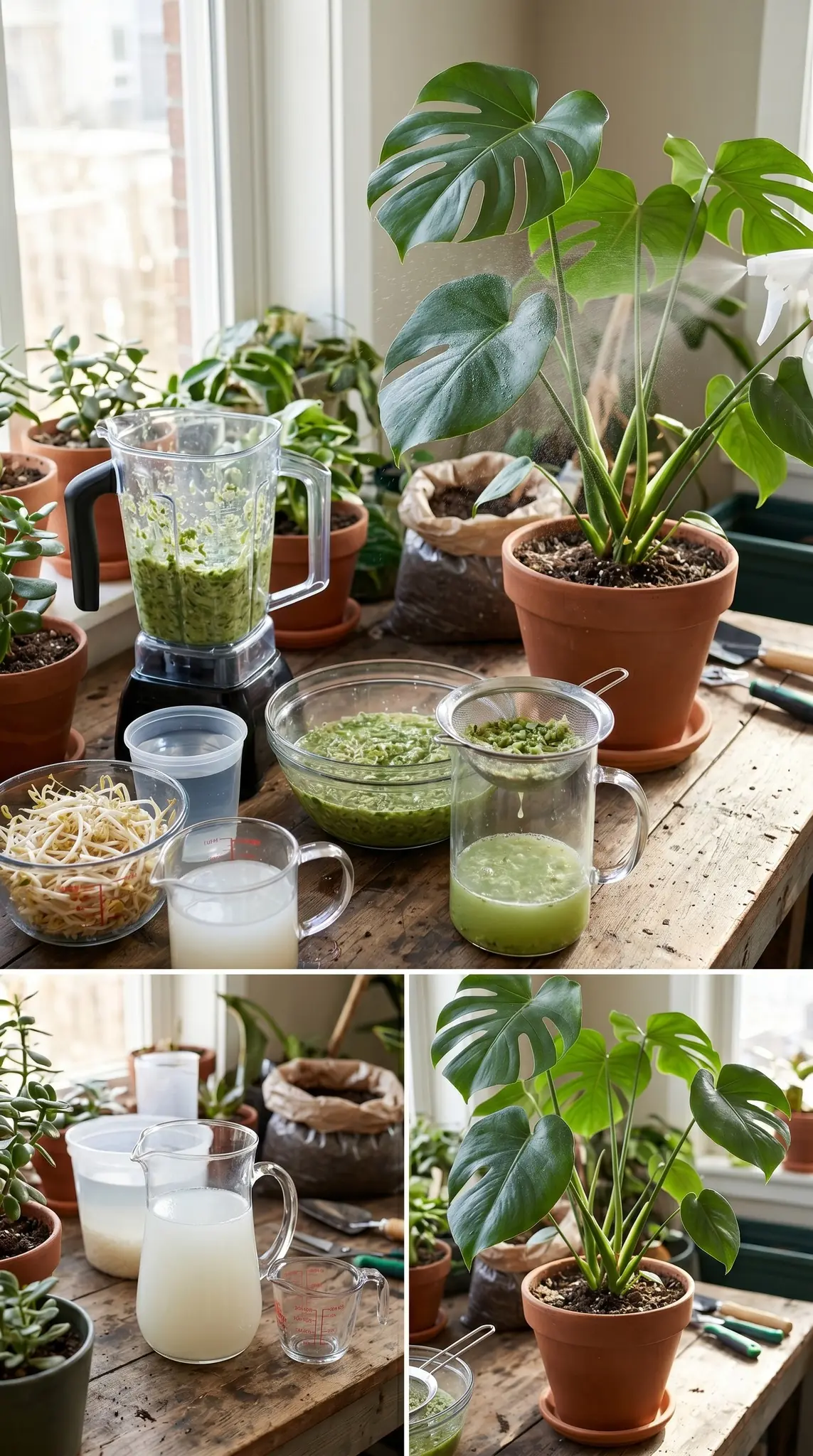
Descubre cómo usar brotes de frijol para nutrir tus plantas naturalmente.

Aprende a preparar un fertilizante casero con aloe y cúrcuma.
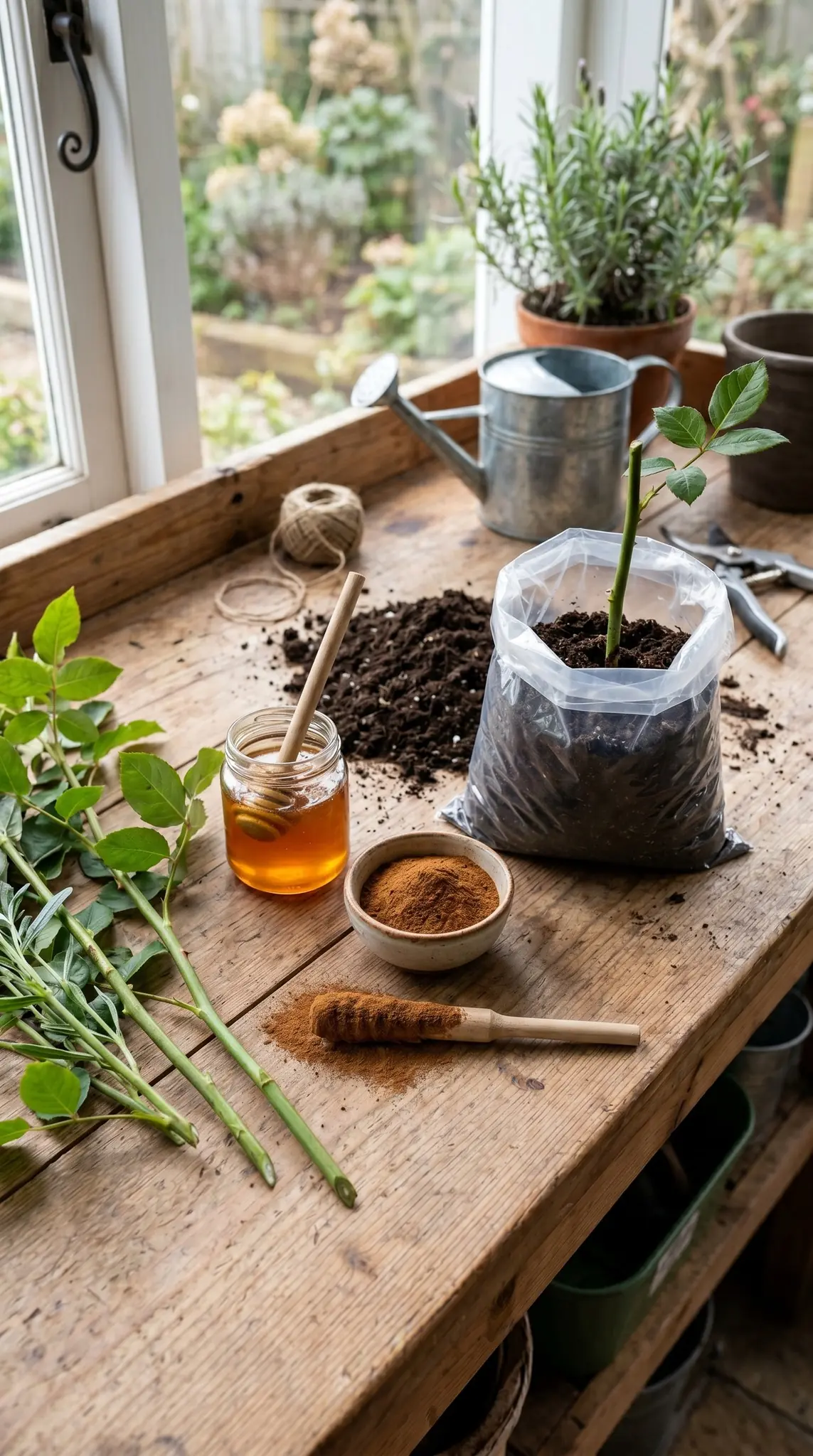
Descubre métodos naturales para estimular raíces fuertes en esquejes.
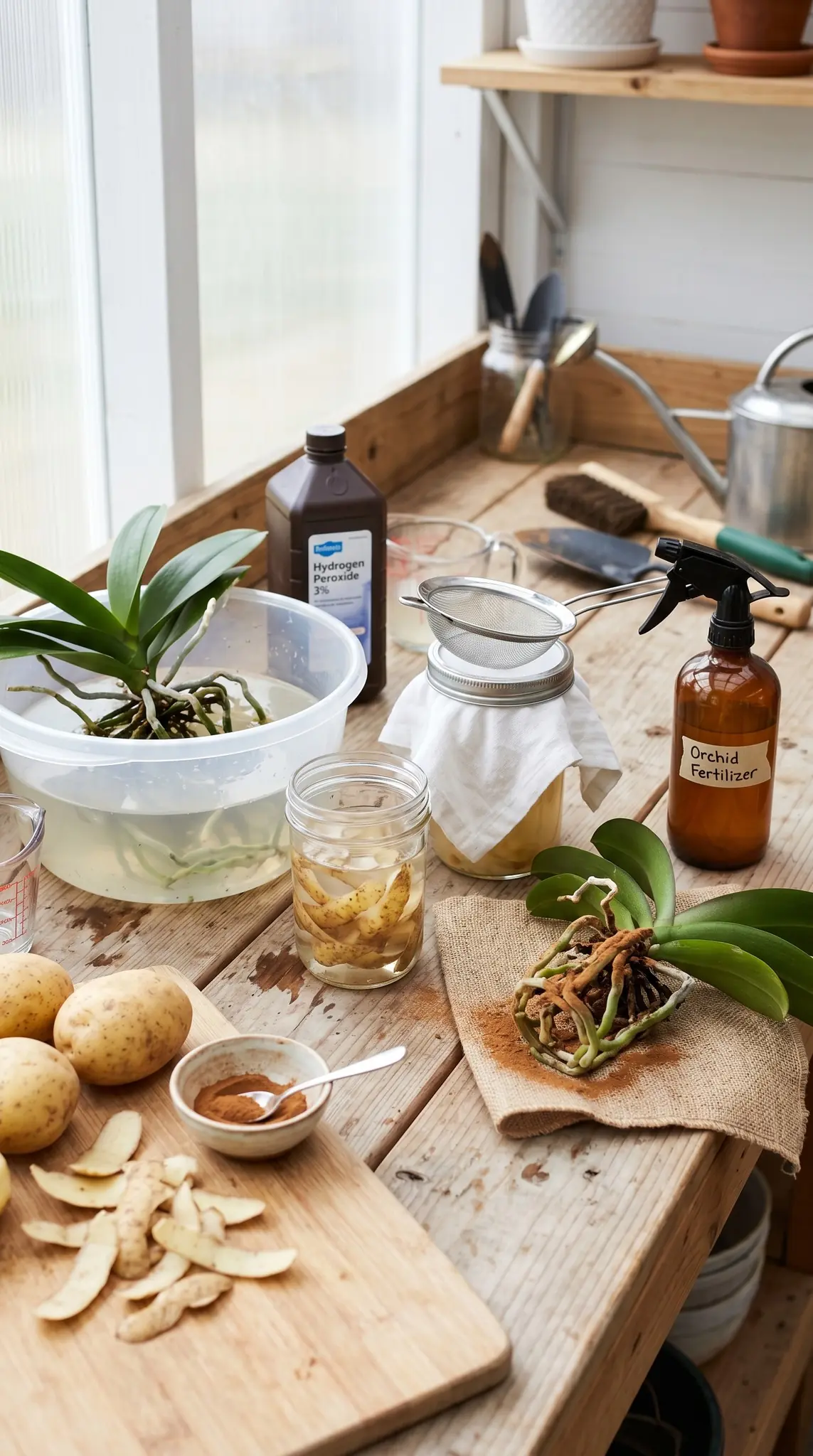
Aprende a preparar un fertilizante natural para orquídeas saludables.

Descubre un método natural para revivir orquídeas débiles en casa.
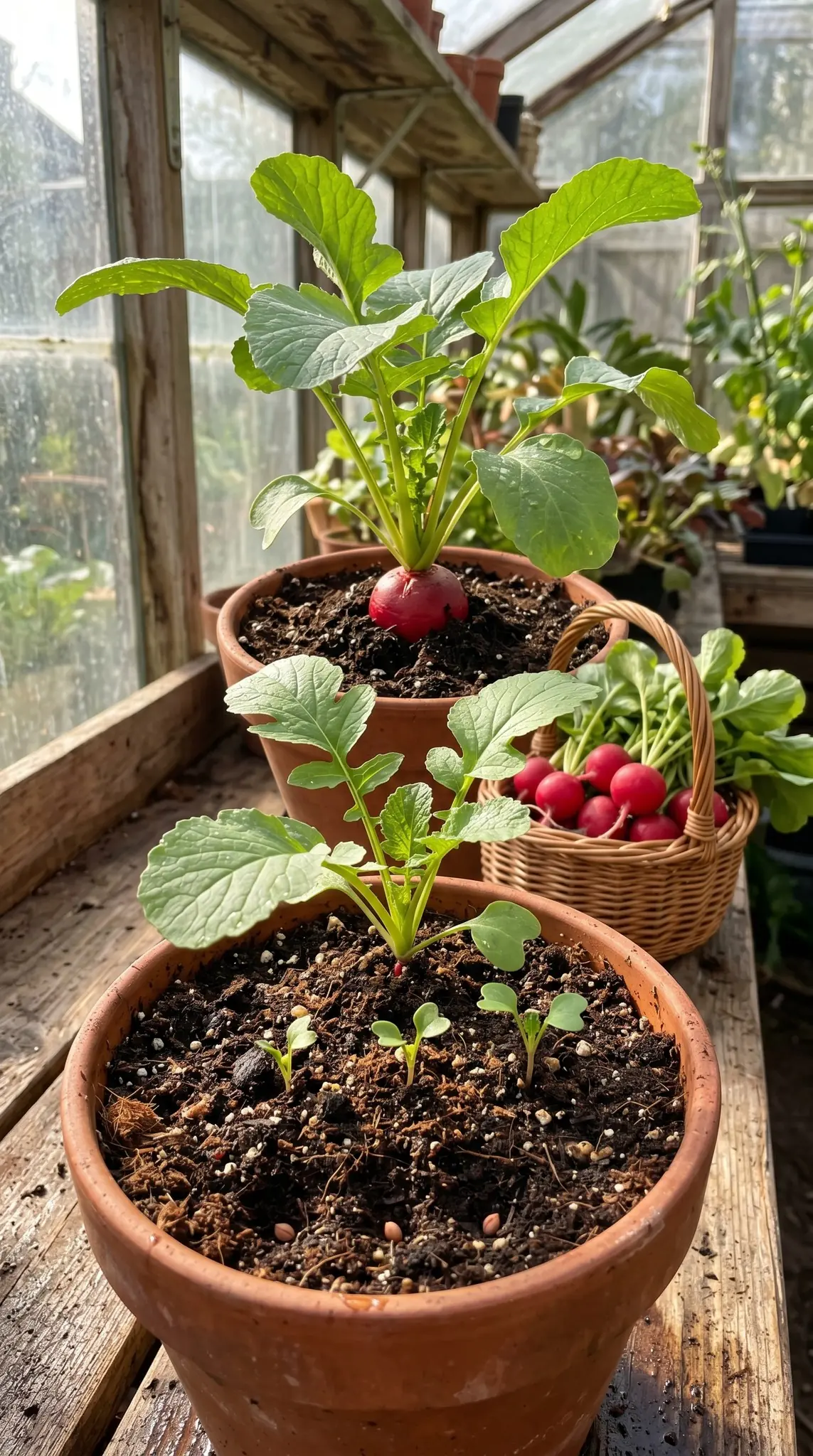
Aprende a preparar un sustrato ideal para germinar semillas sanas.
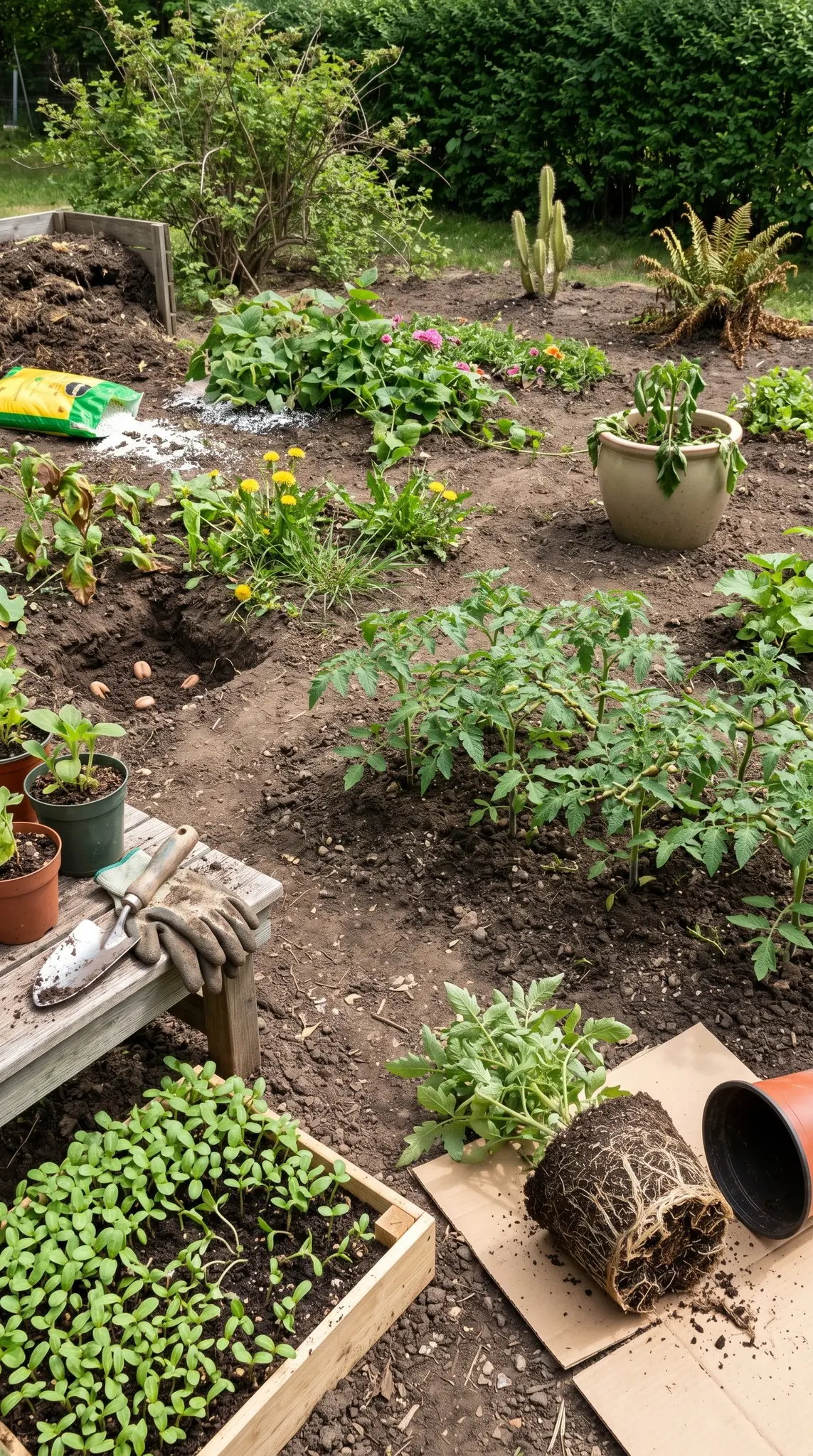
Descubre los errores más frecuentes que dañan tus plantas en casa.

Aprende a cultivar fresas dulces y saludables en espacios pequeños.

Transforme Sua Rosa-do-Deserto: Guia Completo para Enxertia de Adenium Obesum em Casa
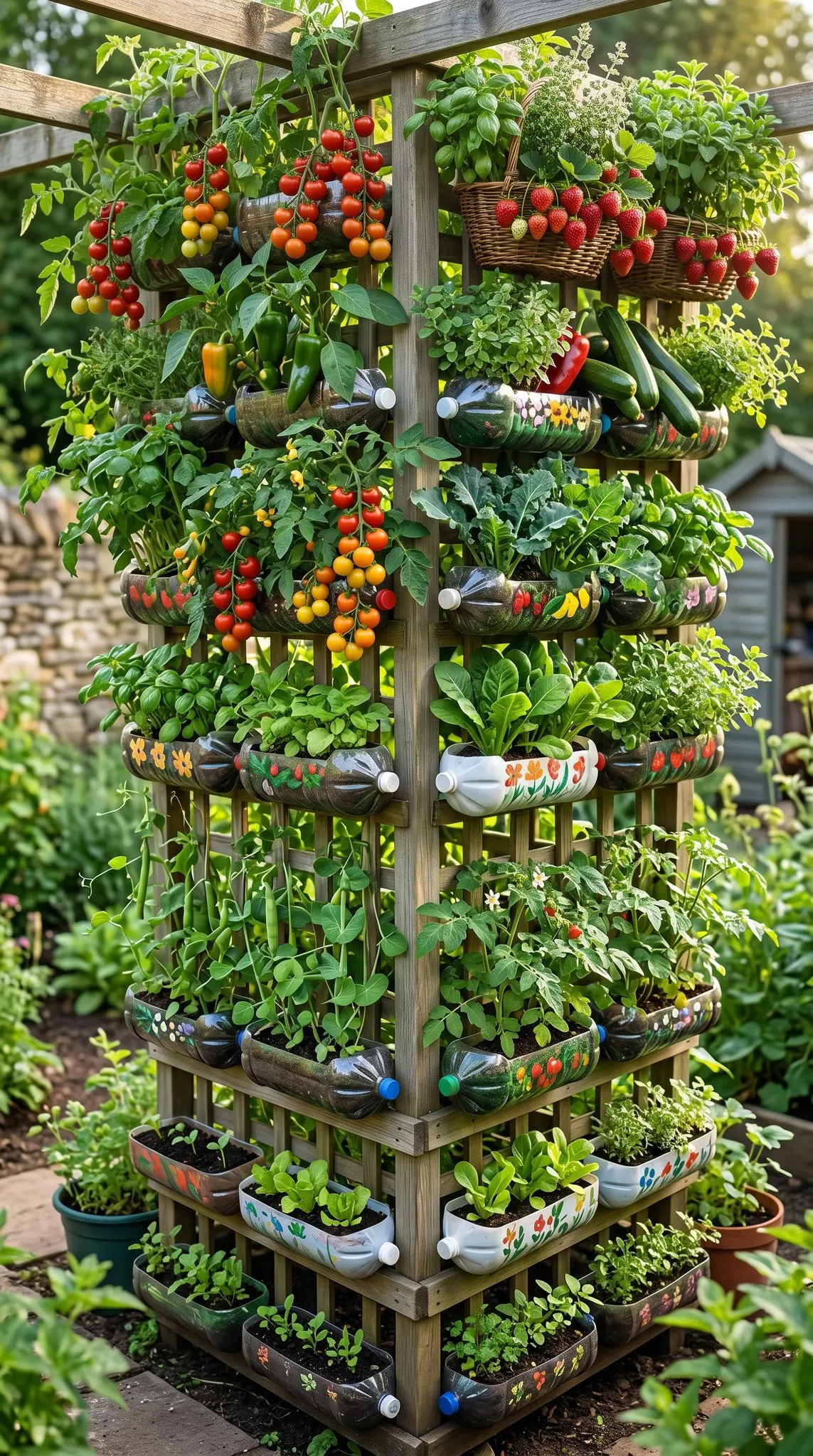
Aprenda a reutilizar garrafas plásticas em vasos ecológicos incríveis.
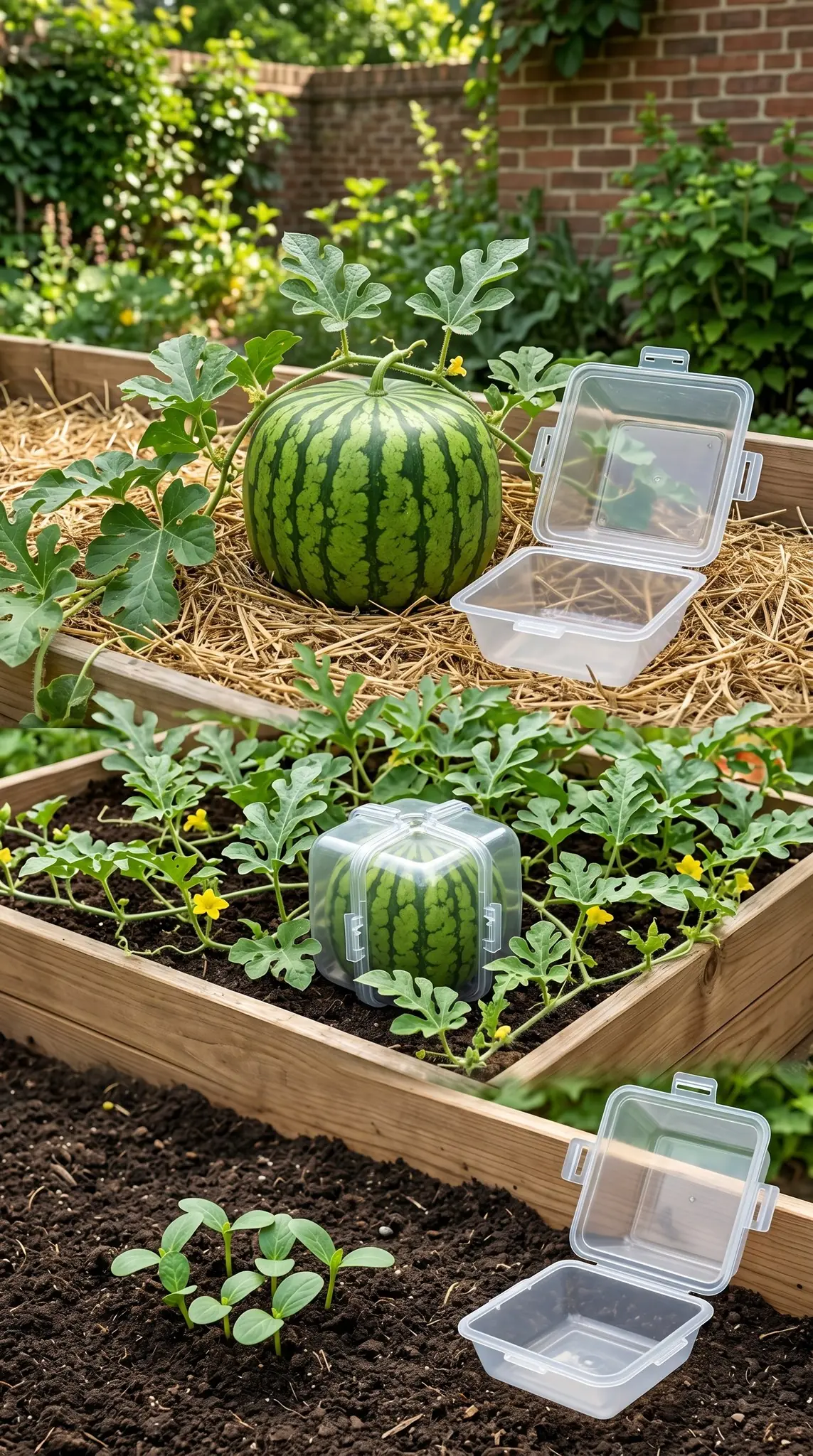
Descubra como cultivar melancias quadradas de forma criativa em casa.
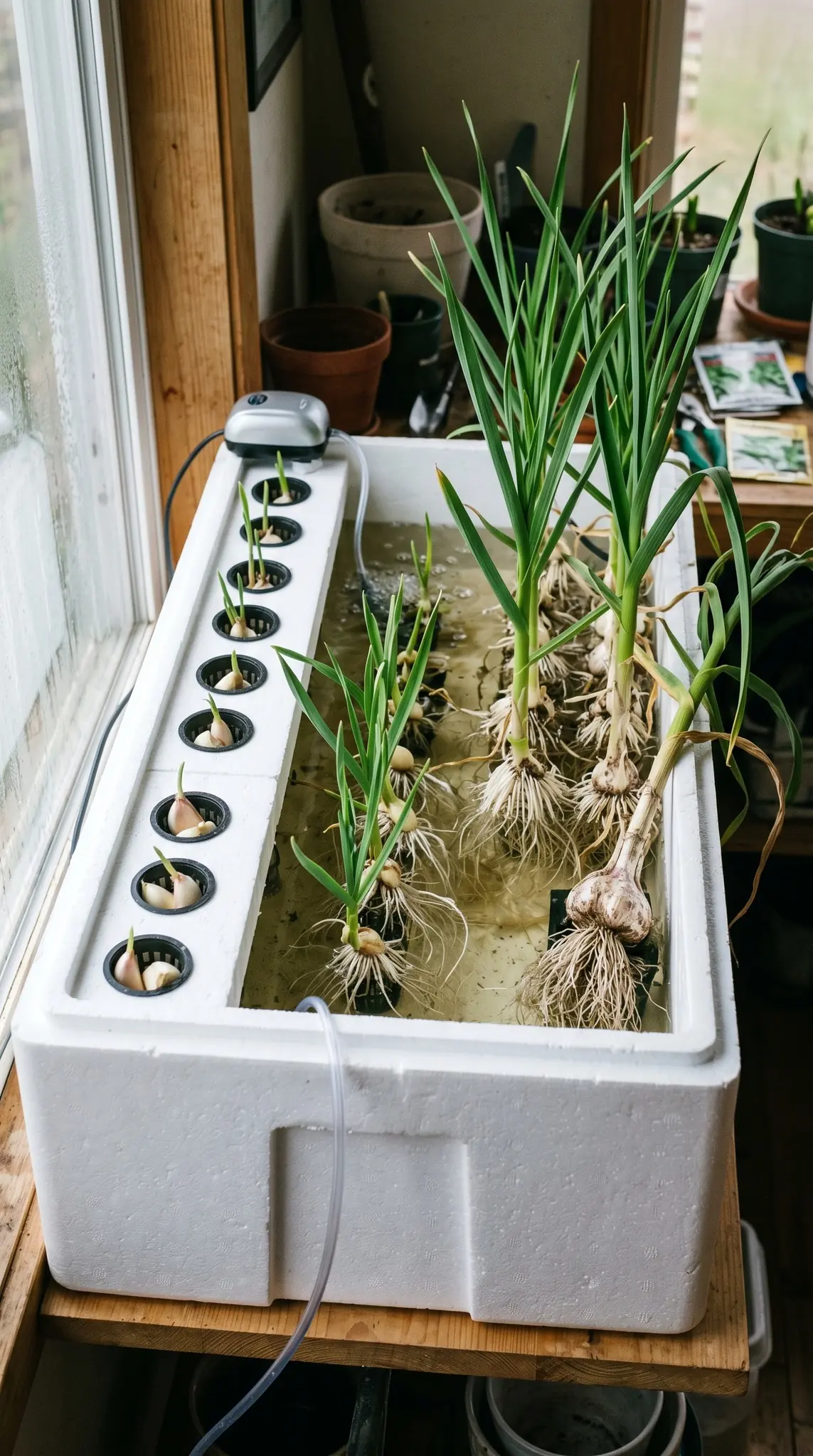
Aprenda a cultivar alho hidropônico com raízes fortes e rápidas.
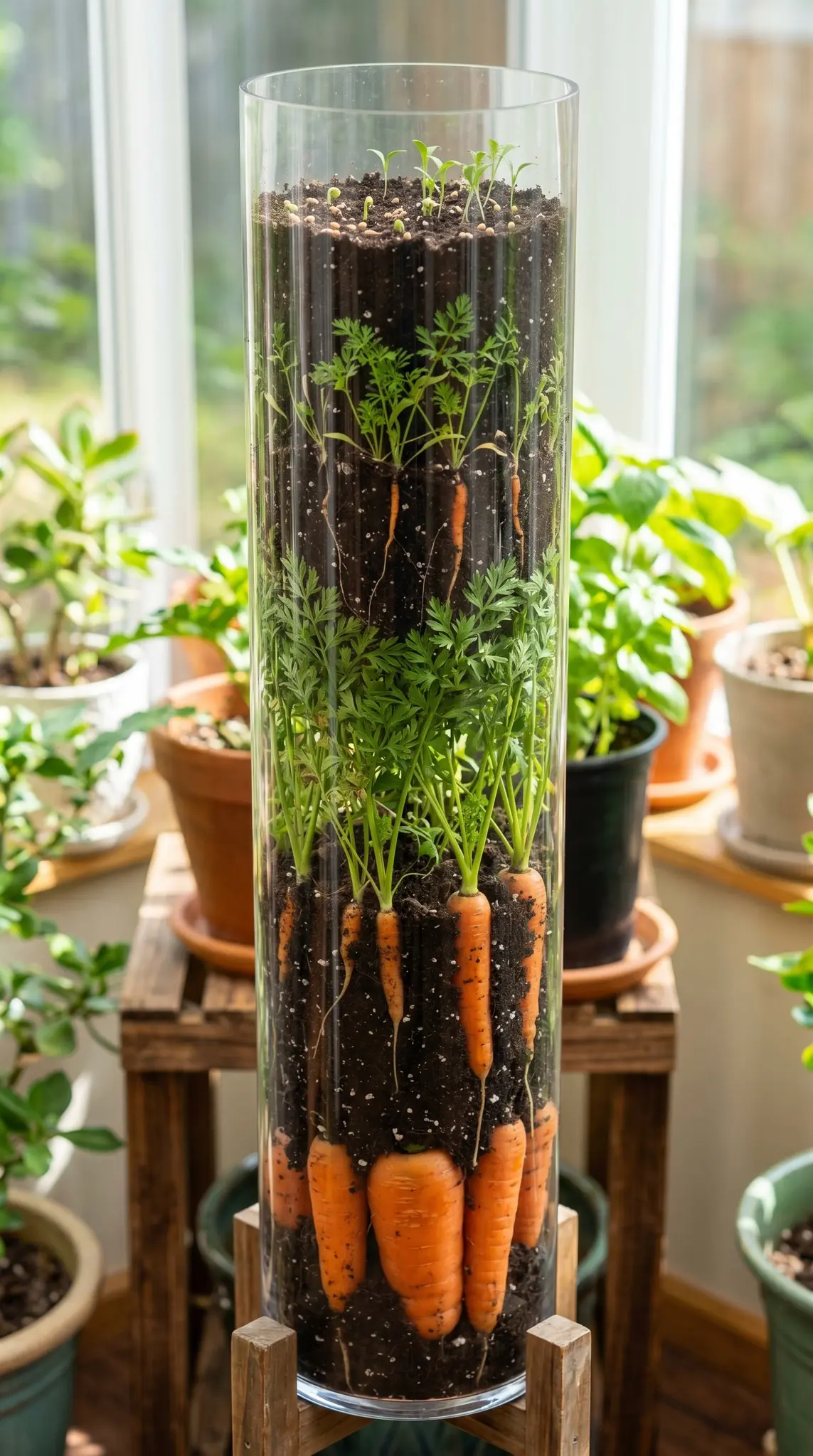
Descubra como cultivar cenouras saudáveis e produtivas em casa.