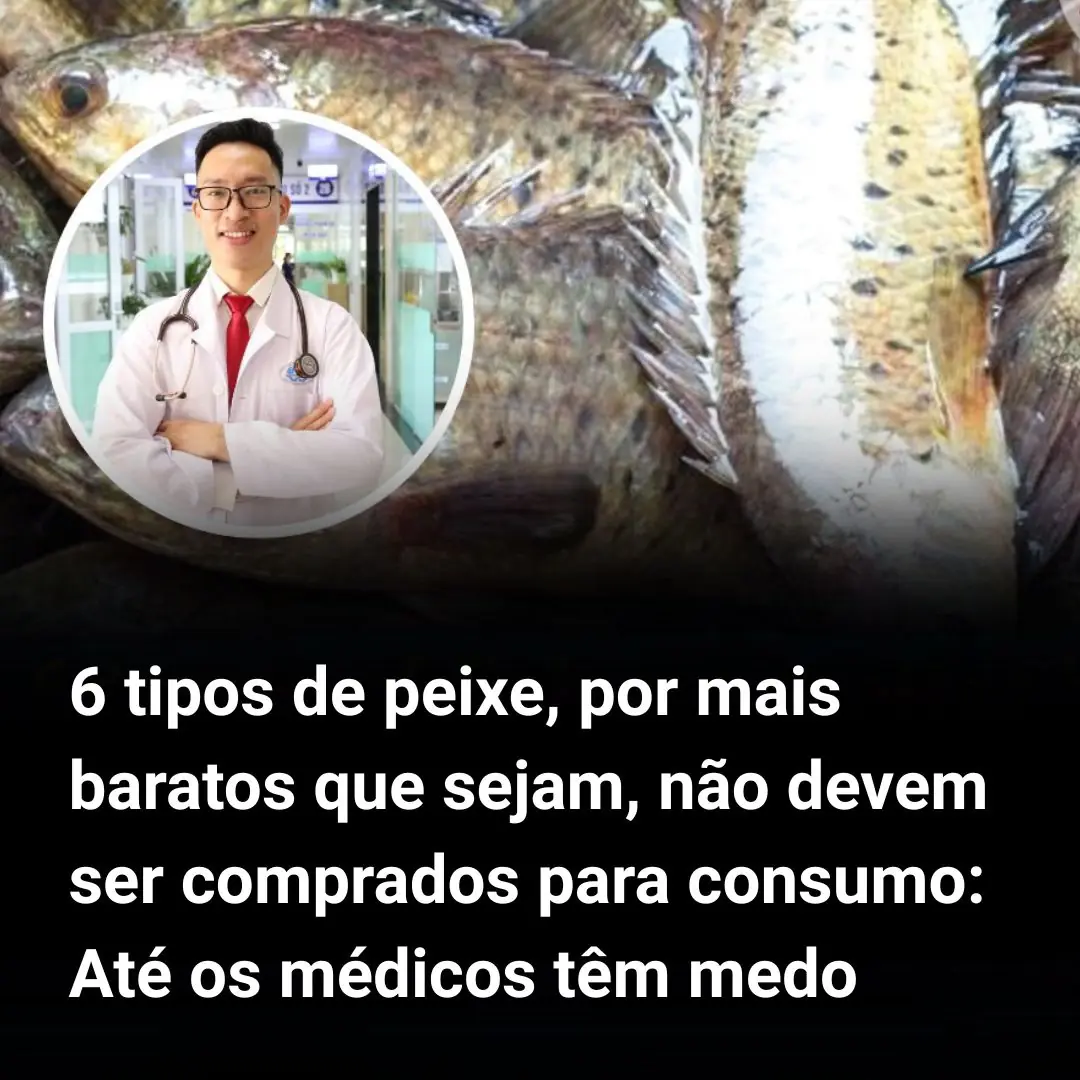
Delicious but Dangerous: 6 Types of Fish You Shouldn’t Eat Too Much
Fish is often praised as a healthy source of protein and essential nutrients. However, not all fish are equally good for you. Some types, especially when farmed or eaten in excess, can carry hidden risks that may harm your body.
1. Farmed Salmon
Salmon is famous for its omega-3 and omega-6 content, making it a favorite choice for families. But farmed salmon is often fed fat and industrial feed to make them grow faster. This results in higher calories and saturated fats but fewer minerals.
Worse still, if hygiene standards are not maintained, farmed salmon can be contaminated with toxins like dioxin and PCB.
2. Tuna
Tuna is packed with vitamin D, omega-3 fatty acids, calcium, and iron. However, experts warn that its mercury content is up to seven times higher than other mercury-rich fish. Eating too much may put your health at risk—moderation is key.
3. Tilapia
This common fish contains harmful fatty acids similar to lard. Consuming it in large amounts may raise cholesterol levels and increase the risk of heart problems.
4. Sea Bass
Sea bass is another tasty but risky fish due to its very high mercury content. Health guidelines recommend limiting intake to:
-
Adults: no more than 200g per month
-
Children: no more than 100g per month
5. Swordfish
Swordfish also contains high levels of mercury. Regular consumption increases the risk of methylmercury poisoning, which can damage the nervous system. It’s best to limit or avoid this fish, especially for children and pregnant women.
6. Catfish
Because catfish can grow to very large sizes, many farmers use growth hormones to speed up their development. These substances can negatively affect your health over time.
✅ Bottom line: While fish is an excellent source of nutrients, not all types are safe in large quantities. Choose wisely, eat in moderation, and whenever possible, opt for wild-caught fish from safe sources to protect your family’s health.